7 Omnivore Alternatives for Researchers After Its Shutdown
September 13, 2026 · 6 min read
Listen to this post
Contents
- Quick Comparison for Researchers
- What to look for in an Omnivore replacement
- 1. Omphalis
- 2. Readwise Reader
- 3. Zotero
- 4. Heptabase
- Other Useful Specialist Options
- How to choose the right Omnivore alternative
- Frequently Asked Questions
- Q1: What are the best alternatives to Omnivore now that it has shut down?
- Q2: What are the best alternatives to Omnivore after its shutdown?
- Q3: How does Omphalis compare to other Omnivore alternatives for researchers?
- Q4: Which Omnivore alternative is best for saving and reading PDFs and research papers?
Quick Summary: Omphalis tops the list of Omnivore replacements for researchers because it supports active comprehension across mixed sources like PDFs, podcasts, and videos, not just storage. Readwise Reader suits power readers, Zotero handles citations and PDFs, and Heptabase aids visual synthesis. Pick based on your main bottleneck, whether that's deep reading, citations, or visual mapping. A backlog of dense papers, newsletter threads, talks, and notes needs more than a new bookmark inbox. These Omnivore alternatives split saving, reading, and review in different ways. This guide starts with Omphalis, then ranks each Omnivore app replacement by job, from research paper manager to document annotation apps. We assessed source support, annotation, workflow fit, device access, ownership, and AI that aids judgment.
Quick Comparison for Researchers
| Tool | Best for | Primary source types | Annotation or comprehension layer | Portability and workflow fit |
|---|---|---|---|---|
| Omphalis | Active comprehension across mixed research sources | Articles, PDFs, EPUBs, podcasts, videos, newsletters, and notes | Strata, in-place explanations, synchronized listening, marks, Ask & Find, and Connections | Web, iPhone, Android, Chrome, and Firefox, with a free plan and export |
| Readwise Reader | Power readers moving from Omnivore | Articles, RSS, newsletters, PDFs, EPUBs, videos, and threads | Highlights, notes, Ghostreader, text-to-speech, and Daily Review | Web, desktop, iOS, Android, extensions, APIs, and note-app exports |
| Zotero | Scholarly references, citations, and annotated PDFs | Research papers, PDFs, EPUBs, webpage snapshots, and bibliographic records | Highlights, underlines, notes, image annotations, and citation-linked source context | Desktop, web, iOS, Android, group libraries, plugins, and export options |
| Heptabase | Visual synthesis, concept mapping, and complex projects | PDFs, web sources, notes, cards, and imported research material | PDF annotations, cards, whiteboards, links, and AI-supported exploration | Cross-platform workspace with web clipping and Zotero integration |
What to look for in an Omnivore replacement
Researchers need more than a place to save links. The best Omnivore alternatives keep the original source, support careful notes, and handle both PDFs and web pages.
Choose based on your real bottleneck: deep reading, citations, visual thinking, file ownership, or simple reading. A strong system also helps you return to earlier work when a new question appears.
1. Omphalis
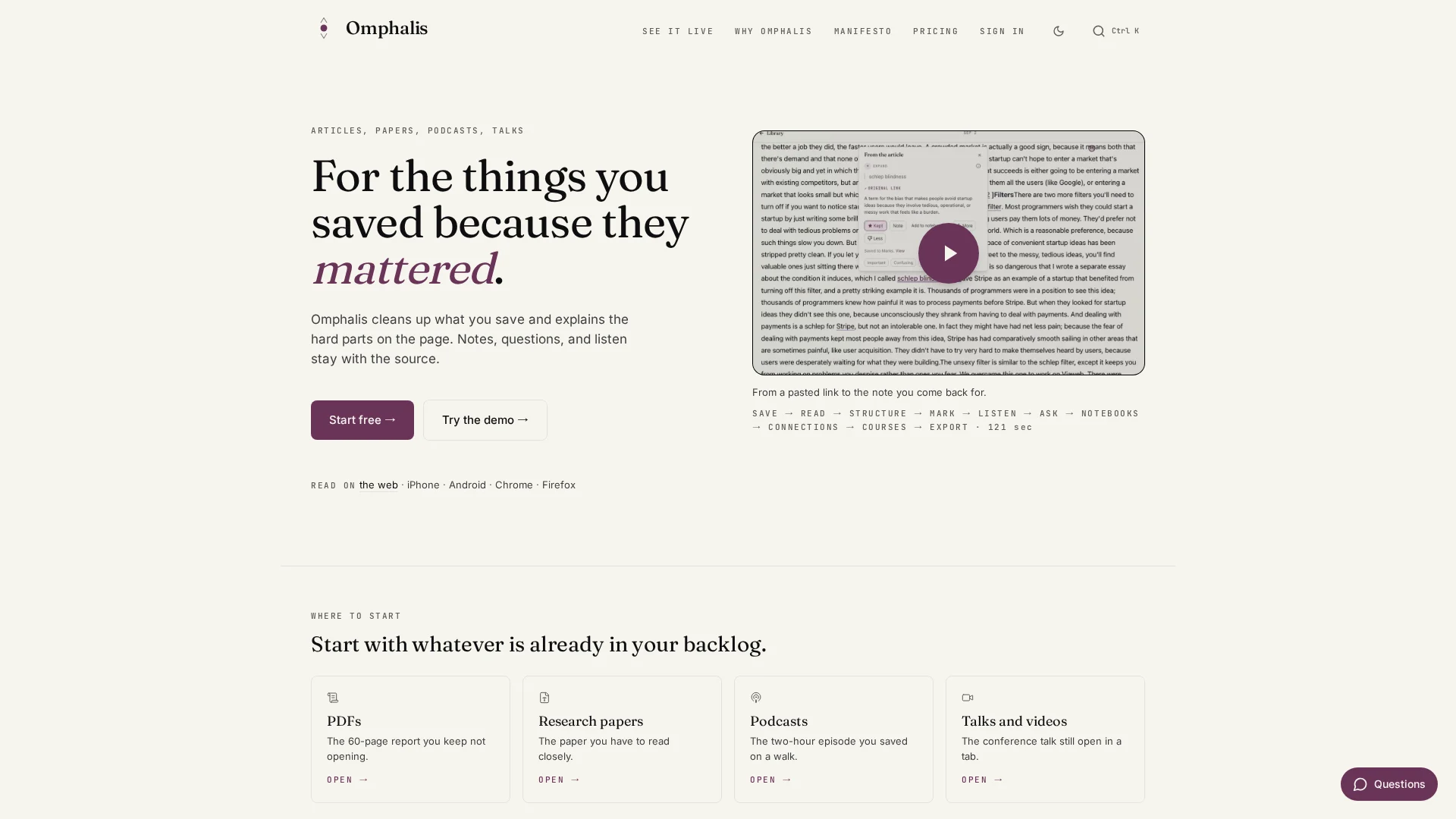
Best overall for researchers who need comprehension, not just storage. It keeps difficult sources readable and connected without asking you to skip the original material. Its structure-first approach helps you find dense passages and follow the argument.
 Highlights
- Handles articles, PDFs, EPUBs, podcasts, videos, newsletters, and notes.
- Strata, inline help, listening, marks, and Connections support active reading.
Specs
- Best for: Mixed-source research
- Workflow: Web, mobile, Chrome, Firefox, export
Pros
- Keeps reader-selected passages meaningful across the library.
- Firefox extension supports clean reading and listening.
Cons
- Not a full citation manager.
It ranks first because it supports the full comprehension loop.
Last updated: September 13, 2026
Also Read: Matter Review: Is It Good for Saving and Revisiting Articles?
2. Readwise Reader
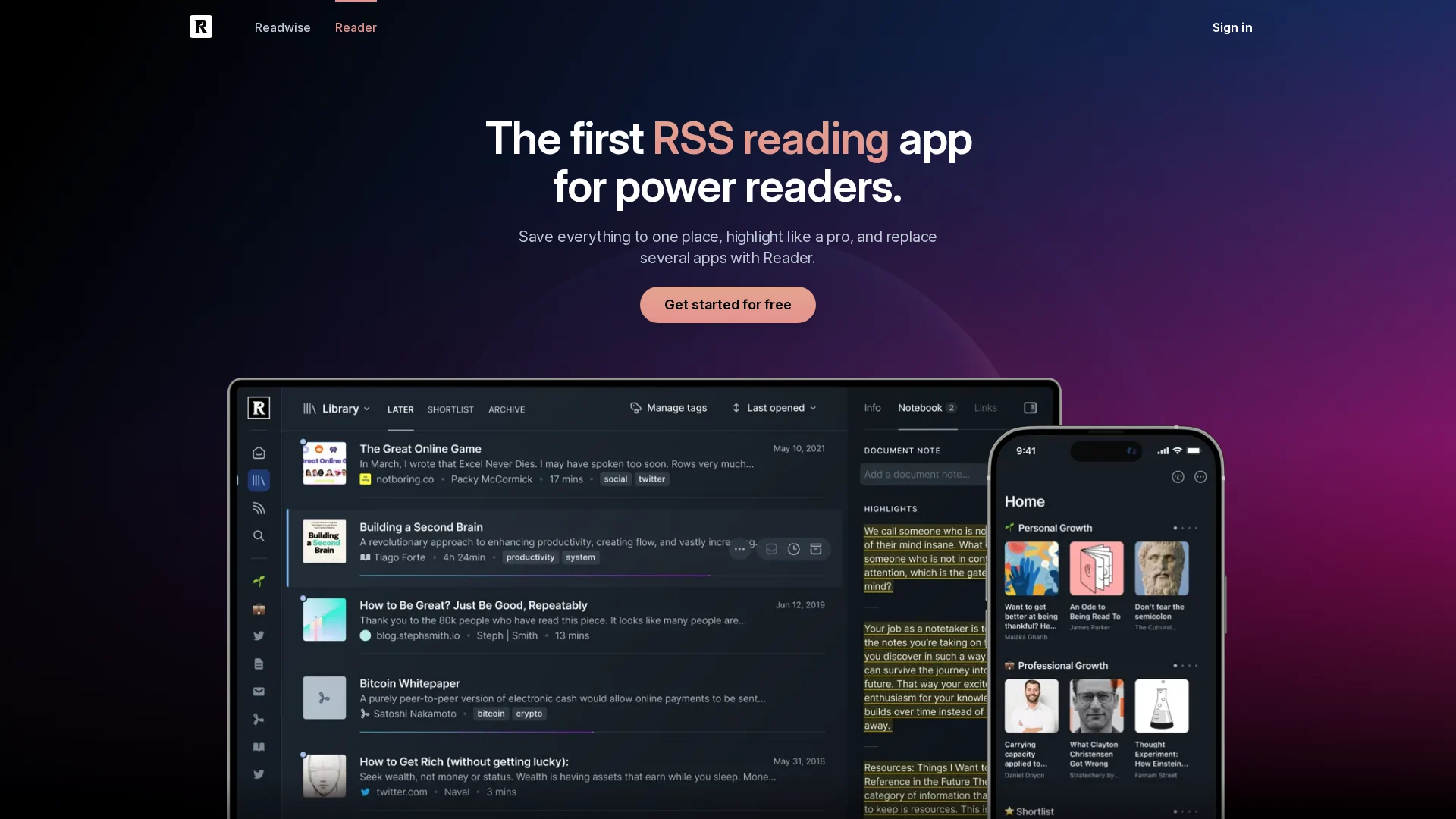
Readwise Reader is the closest Omnivore alternative for power readers. It puts articles, RSS, newsletters, PDFs, EPUBs, and video transcripts in one reading workspace.
 Highlights
- Keyboard-first annotation, text-to-speech, offline search, and Ghostreader support.
- Highlights sync to Readwise and can export to Obsidian or Notion.
Pros
- Broad direct replacement for Omnivore's capture and highlight workflow.
Cons
- Paid after trial, with more setup than a basic read-later app.
It ranks here because it favors reading queues and review over structured comprehension and connections.
Last updated: September 13, 2026
Also Read: Blog: notes on reading and understanding | Omphalis
3. Zotero
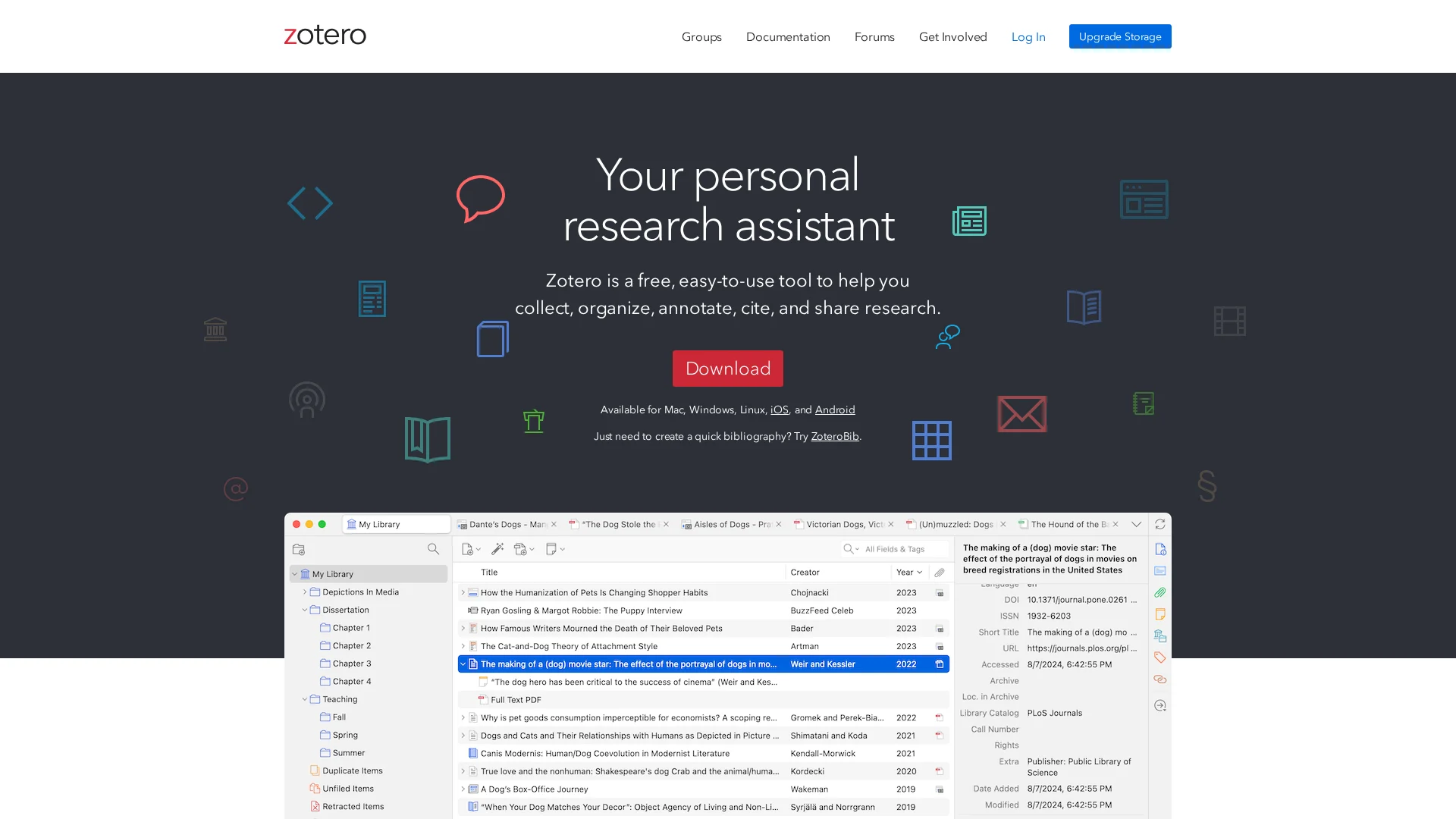
Zotero is the best research paper manager for citations and PDF annotation. Choose it when your work starts with sources, metadata, and a bibliography.
 Highlights
- Its built-in PDF reader supports highlights, underlines, notes, and source-page links.
- Word, LibreOffice, and Google Docs plugins build citations and bibliographies. Specs
- Best for: Scholarly references and annotated PDFs
- Sources: Papers, PDFs, EPUBs, snapshots Pros
- Strong metadata and citation workflow Cons
- Not built for newsletters or podcasts. It ranks here for academic source management, not a cross-format reading inbox.
Last updated: September 13, 2026
Also Read: Best Read-Later Apps That Actually Help You Finish What You Save (2026)
4. Heptabase
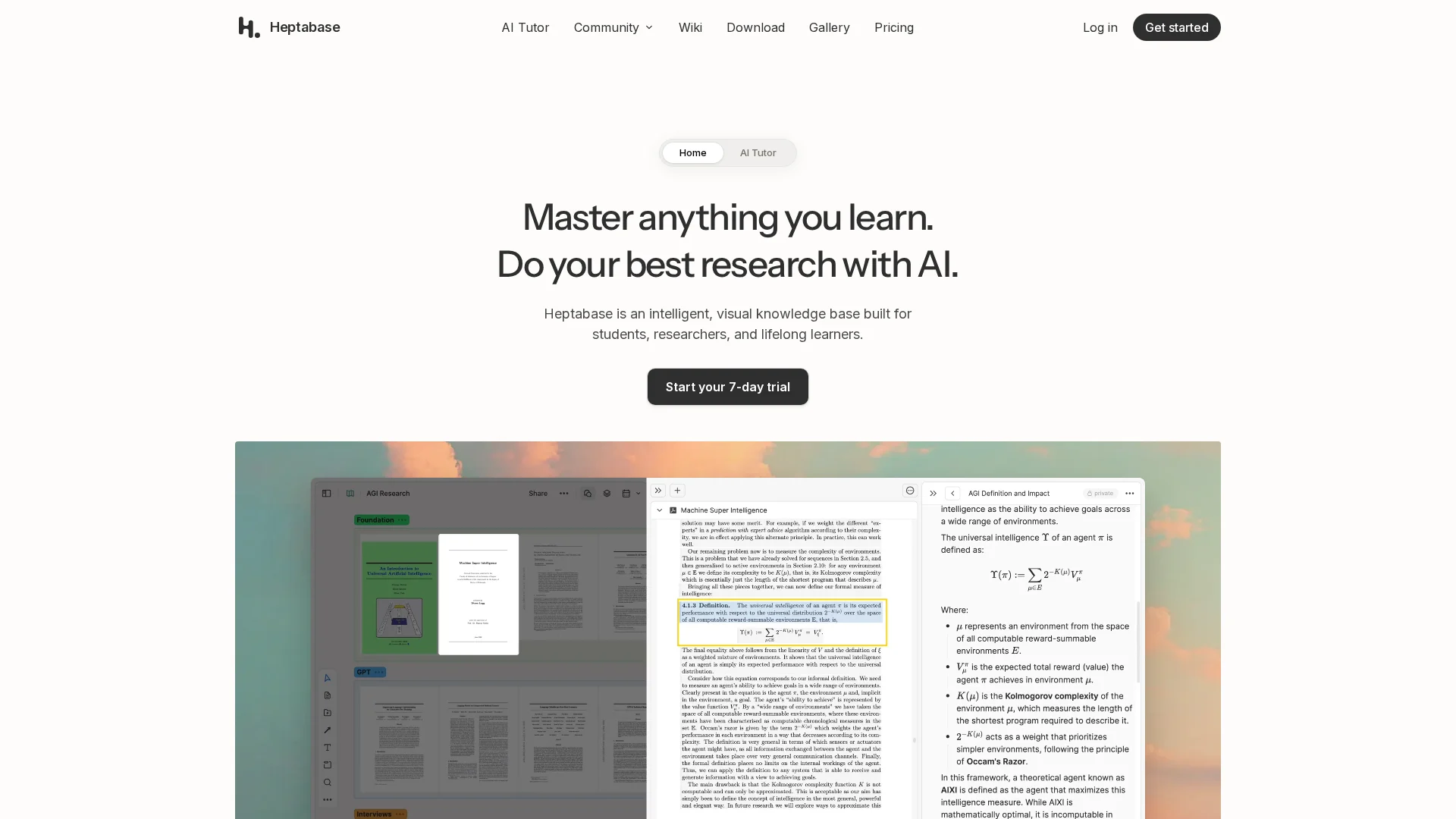
Heptabase is best for visual synthesis of complex research. Its cards and whiteboards help you place evidence, claims, and questions in a visible map.
 Highlights
- Its PDF annotation workflow turns highlights into movable cards.
- Zotero sync imports selected collections. Pros
- Excellent for seeing links between ideas. Cons
- Visual setup takes time. It ranks here because synthesis matters more than passive reading.
Last updated: September 13, 2026
Other Useful Specialist Options
These tools fit narrower needs, but they replace less of a full research library.
- Obsidian - Local Markdown notes with Web Clipper and a separate PDF manager.
- Matter - Polished reader for articles, newsletters, podcasts, PDFs, and highlights.
- Wallabag - Self-hosted archive with clean reading views and e-reader support.
How to choose the right Omnivore alternative
Pick based on the work you need done after saving, not just where links land.
- Choose Omphalis if difficult papers, articles, podcasts, videos, and documents need one connected home. It stands out for active reading, in-place help, and returning to ideas later.
- Choose Readwise Reader for RSS, newsletters, highlights, text-to-speech, and note exports.
- Choose Zotero for citations, metadata, group libraries, and PDF notes.
- Choose Heptabase for visual evidence mapping.
- Choose Obsidian, Matter, or Wallabag for local files, mobile reading, or open-source control.
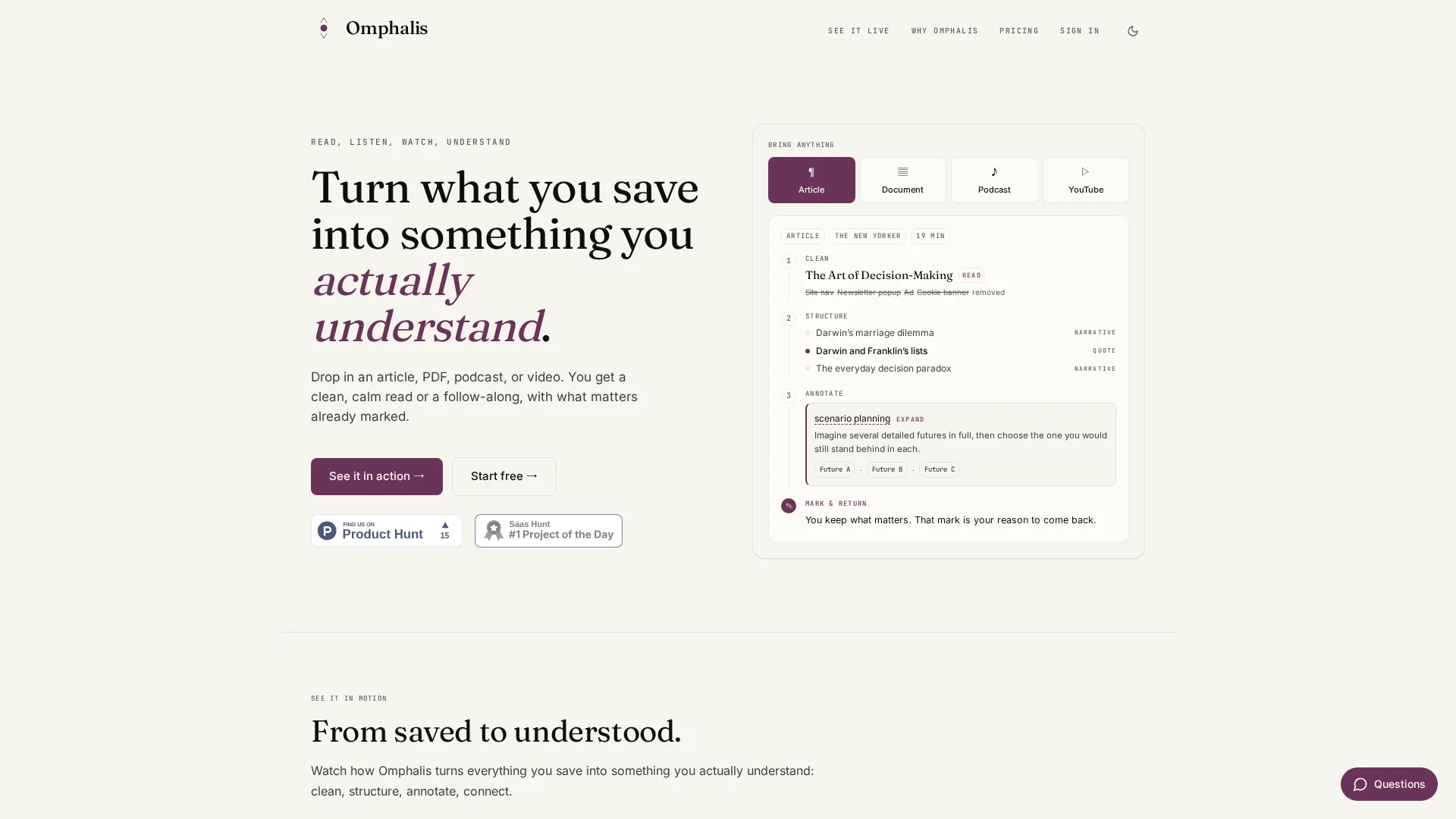
Keep your research library active, not scattered. Try Omphalis to read hard sources, keep your marks, and reconnect useful ideas.
Frequently Asked Questions
Q1: What are the best alternatives to Omnivore now that it has shut down?
Omphalis suits difficult reading across papers, PDFs, and saved sources. Zotero fits citation work, while Readwise Reader works well for web reading.
Q2: What are the best alternatives to Omnivore after its shutdown?
Choose by job. Use Omphalis for active comprehension, Heptabase for visual thinking, and Explainpaper for help with hard paper passages.
Q3: How does Omphalis compare to other Omnivore alternatives for researchers?
Omphalis keeps sources connected while you read, mark, and judge them. It also explains dense passages in place instead of replacing careful reading.
Q4: Which Omnivore alternative is best for saving and reading PDFs and research papers?
Omphalis is a strong fit for PDFs and papers you need to understand. Zotero is better when reference management and citation records are the main need.