How structure changes what you retain from a long article
August 4, 2026 · 10 min read
Listen to this post
Contents
- Introduction
- Why structure affects memory
- What Omphalis means by a mapped reading experience
- 1. Segmenting Longform Content: The Power of Clear Breaks
- How logical chunks aid attention and encoding
- Guidelines for effective section boundaries
- 2. Explicit tagging and noteworthy moments
- What counts as a noteworthy moment
- How tagging improves recall and cross-content connections
- 3. Cross-Content Linking: Connecting Ideas Across Formats
- From article to podcast to video: preserving core insights
- Techniques for durable idea networks
- 4. Active reading prompts: questions that drive retention
- Prompts that surface application and synthesis
- Examples of prompts aligned to structure
- 5. Visual mappings: maps, highlights, and spatial recall
- Using visual anchors to improve memory
- Best practices for clean, markable maps
- 6. Searchable, Persistent Notes: From transient Reading to Reusable Knowledge
- Why searchability matters for retention
- Strategies to maintain durable notes across formats
- FAQ
- How does structure influence retention rates?
- Can we retain more from shorter pieces if structured well?
- What makes a note 'noteworthy' in a long article?
- How do you measure improvement in retention?
- Is structure the same across formats like video or audio?
- Conclusion
- Recap of how structure changes retention
- How Omphalis enables structured, transferable understanding
- References
TL;DR
- Structure shapes how you process, store, and retrieve ideas, boosting memory by creating clear boundaries and meaningful connections.
- Segment long content into logical chunks, tag noteworthy moments, and cross-link across formats to build a durable, navigable knowledge map.
- Use active prompts, visual mappings, and persistent notes to transform reading into actionable understanding and reusable knowledge.
Introduction
Why structure affects memory
Structure does more than organize content. It shapes how you process, store, and retrieve ideas. When information is arranged with clear boundaries and deliberate connections, your brain encodes key points more reliably. This is not about reading less; it is about reading with intention to understand and apply.
Our approach at Omphalis treats reading as an active act of interpretation. A well structured piece guides you through ideas, anchors them with cues, and builds a durable map you can revisit. The result is better reading comprehension and more opportunities to update knowledge over time.
What Omphalis means by a mapped reading experience
We create a mapped reading experience by turning diverse content into a coherent knowledge map. This map highlights noteworthy moments, links ideas across formats, and keeps your place within a larger structure. You move from surface detail to meaningful connections that matter for practice.
In short, structure is not a constraint. It is a framework for retention. By aligning segments, tags, and cross references, you earn more from every page you read and every moment you study. This sets the stage for reading to learn, not just reading to finish.
1. Segmenting Longform Content: The Power of Clear Breaks
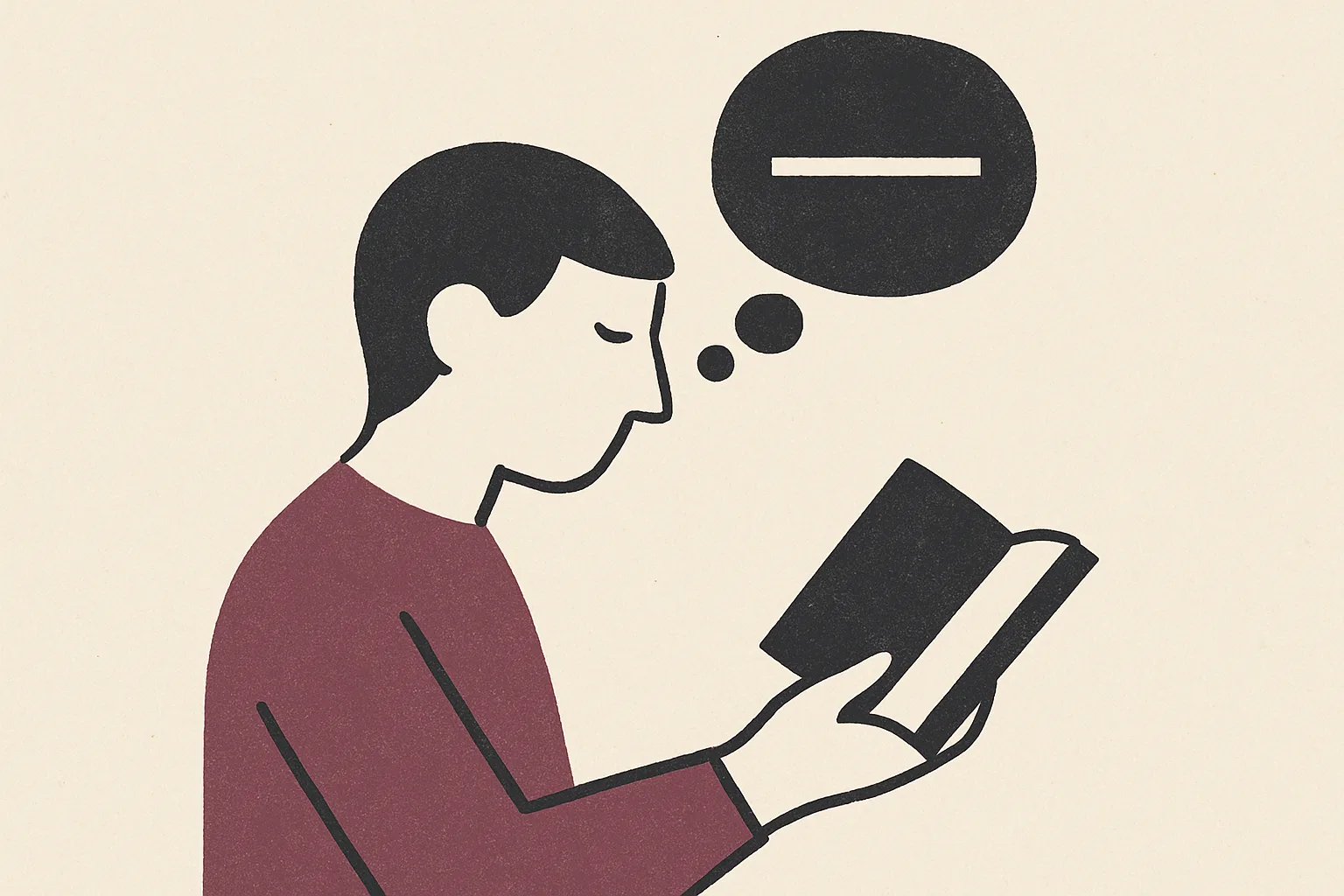
How logical chunks aid attention and encoding
Dividing content into clear, meaningful segments helps you stay anchored. Each chunk becomes a handle you can grab, reducing cognitive load and guiding how you encode ideas into memory. This structure supports building a scannable outline in real time, which improves comprehension as you read.
Chunks act as checkpoints. They give your brain opportunities to pause, reflect, and integrate new information with what you already know. Pairing a chunk with a single core idea creates durable associations that resist distractions and time gaps.
Guidelines for effective section boundaries
- Anchor each section with a specific question or problem the content addresses.
- Limit each chunk to a main idea plus 1-2 supporting details.
- Use clear, descriptive subheadings that preview the upcoming content.
- Keep transitions tight so the next boundary feels like a natural continuation.
- Place a brief summary or takeaway at the end of each segment.
Adopting these boundaries makes reading to learn more precise. You retain insights more reliably when you can navigate a map of ideas rather than a wall of text. This disciplined segmentation supports comprehension and helps you update knowledge with new context as you read more books.
2. Explicit tagging and noteworthy moments
What counts as a noteworthy moment
Noteworthy moments are snapshots where a core idea, a surprising implication, or a practical takeaway appears. They include concise insights, counterintuitive points, or turns that illuminate how to apply the concept in real tasks. Flag these moments as you read, so they stand out from surrounding detail.
Capturing these moments creates anchors you can revisit. They become touchpoints for future problem solving and help you interpret past experiences in light of new information. This practice aligns reading with ongoing learning rather than a single pass through text.
How tagging improves recall and cross-content connections
- Tags create a lightweight taxonomy you can search later, speeding retrieval of ideas.
- Cross-content tagging links related insights across formats such as articles, podcasts, and videos.
- Structured notes with tags support durable networks, letting you reconstruct arguments when needed.
- Tags serve as memory cues, prompting reflections and applications in new contexts.
When you pair noteworthy moments with consistent tagging, you broaden your comprehension. The brain reuses these signals as you encounter similar themes elsewhere, helping you retain insights and update knowledge as you read more books.
3. Cross-Content Linking: Connecting Ideas Across Formats
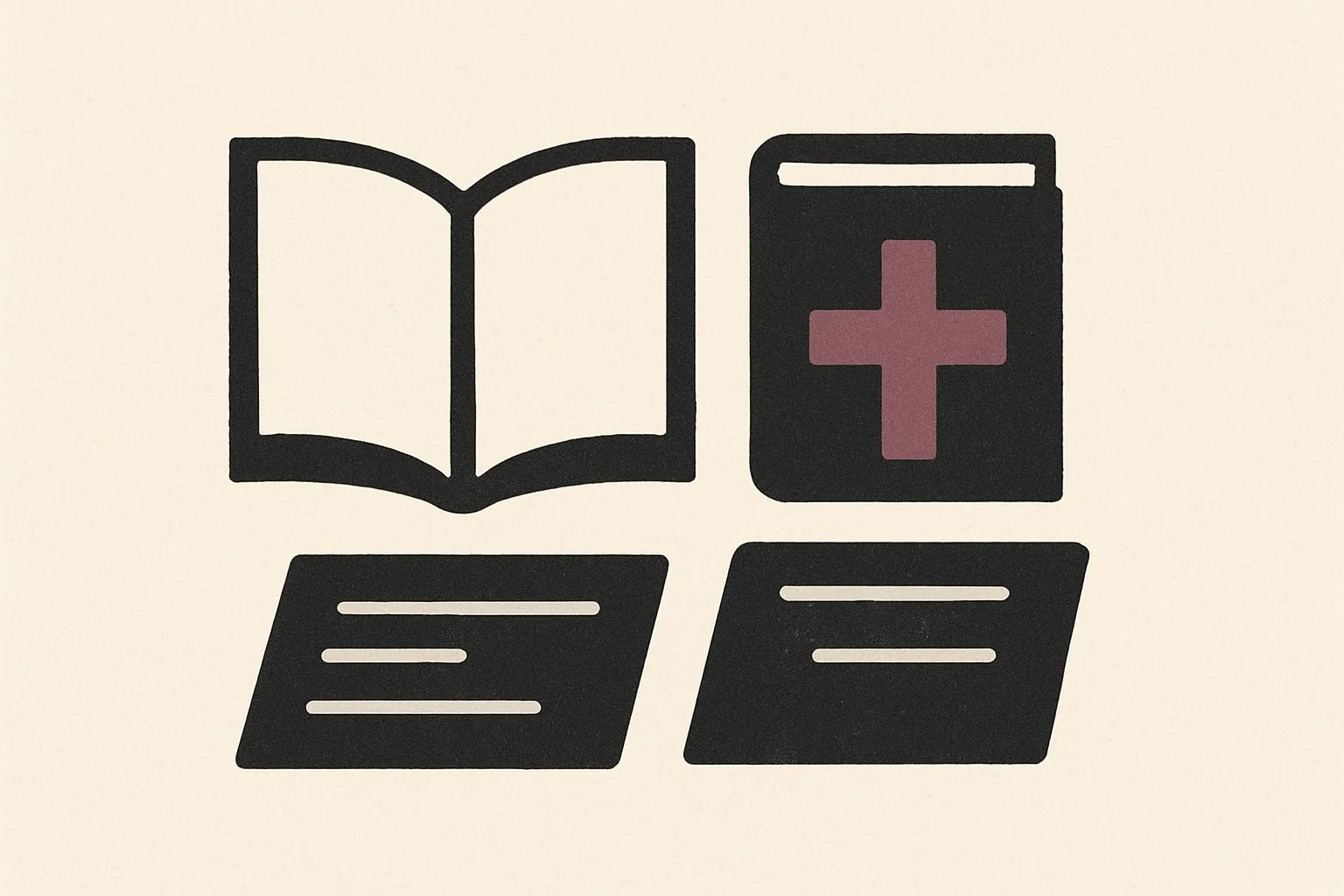
From article to podcast to video: preserving core insights
Your ideas travel across formats the same way a map remains true when printed, spoken, or drawn. Start with a concise core insight that survives translation, then adapt supporting details to the strengths of each format. This preserves interpretation across medium shifts and keeps the lineage of thought intact.
When you capture the essence in one place, you can reproduce it elsewhere without losing nuance. The aim is durable meaning, not surface alignment. Focus on transferable threads that endure through listening, watching, or reading.
Techniques for durable idea networks
- Create cross-format anchors: a single idea that appears with slight variation in each medium.
- Link formats with explicit cues: reference the source section name across podcasts and videos to maintain context.
- Build a shared vocabulary: use consistent terms for recurring themes to strengthen retrieval cues.
- Annotate with format-specific prompts: ask what the idea would look like as a diagram or a real-world test.
- Archive connections in a central map: show how insights flow from article to other formats and back.
Durable idea networks help you interpret past experiences through a continuous thread. You retain insights more reliably when you can trace a concept across formats and contexts, making reading changes the past a practical habit.
4. Active reading prompts: questions that drive retention
Prompts that surface application and synthesis
Active prompts push you to apply ideas and mix them with what you already know. Use questions that require you to connect a core insight to real tasks, decisions, or experiments. This turns reading into a tool for action rather than a passive exercise.
Examples of prompts aligned to structure
- Boundary prompt: What is the main idea of this section and how could it transform a current project?
- Application prompt: How would I test this concept in the next week with a concrete deliverable?
- Integration prompt: Which two ideas from different chapters can be combined to form a new approach?
- Challenge prompt: What evidence would weaken this argument, and how would that change my view?
- Perspective prompt: If a skeptic read this, what questions would they likely ask?
5. Visual mappings: maps, highlights, and spatial recall
Using visual anchors to improve memory
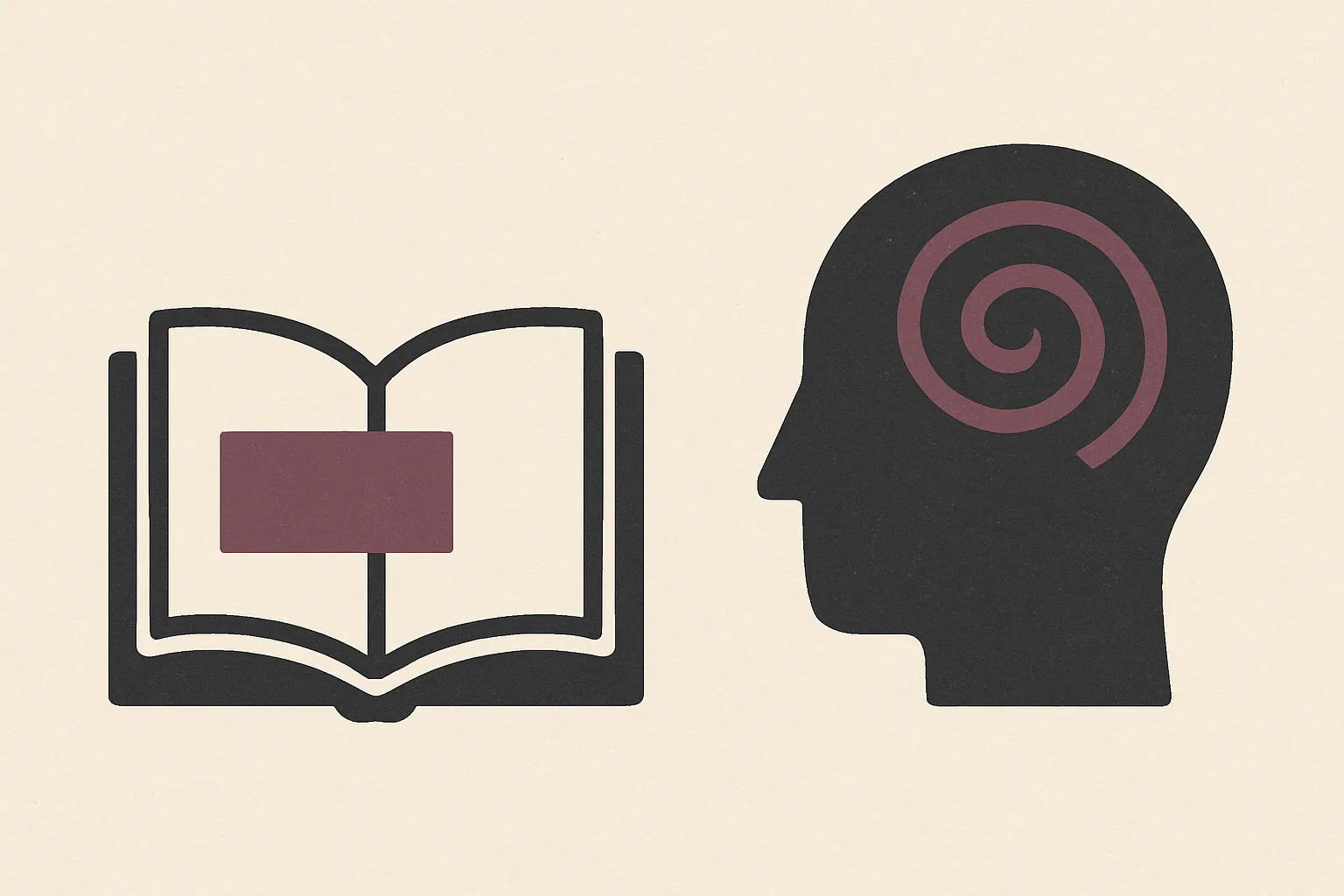
Visual anchors give your brain a landing place. Pair a core insight with a simple symbol, color, or diagram to create a durable cue you can retrieve later. This makes reading changes concrete and actionable.
Best practices for clean, markable maps
- Keep it simple: one dominant idea per visual, with minimal extras.
- Choose consistent colors for related themes to build a recognizable palette over time.
- Label clearly: short titles that capture the takeaway, not full sentences.
- Use whitespace: avoid crowding so the map remains legible under review.
- Make it markable: leave room for marginal notes, underlines, and quick sketches.
Visual mappings are more than decoration. They scaffold understanding by anchoring memory through spatial layout. When you revisit a map, you should sense the structure behind the ideas, not a jumble of disconnected notes. This approach supports reading comprehension and clarifies past experiences.
6. Searchable, Persistent Notes: From transient Reading to Reusable Knowledge
Why searchability matters for retention
Searchable notes turn fleeting ideas into durable references. When you can locate a concept quickly, you are more likely to apply it in real projects and conversations. This reduces friction between reading and action, helping you update knowledge rather than letting insights fade.
Strategies to maintain durable notes across formats
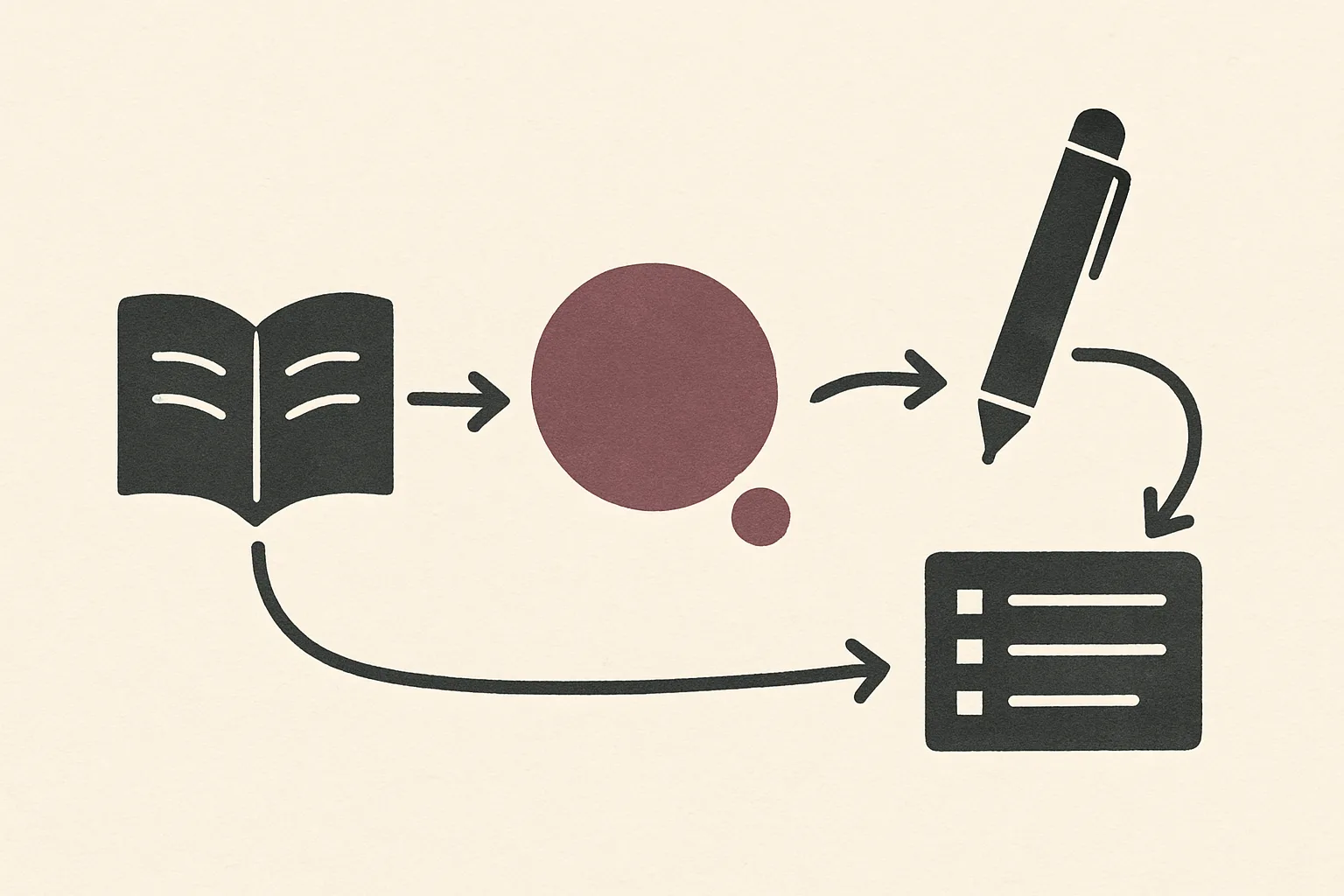
- Use a consistent tagging system so related ideas surface together across books, articles, and talks.
- Capture the core takeaway first, then add context from that source to preserve meaning in the new format.
- Keep notes lightweight and portable so you can migrate them between devices and apps without loss.
- Periodically review and prune notes to prevent drift and redundancy.
- Link notes back to core insights in a central map to maintain the lineage of ideas.
Durable notes act as a personal knowledge base. When you search, you retrieve not just a snippet but the thread that connects it to past experiences and future learning. This supports reading comprehension and helps you interpret past experiences with greater clarity.
FAQ
How does structure influence retention rates?
Structure guides your attention to core ideas and creates retrieval cues. When ideas appear in clear, repeatable patterns, your brain forms connections more reliably. This is not about reading less; it is about organizing reading so important insights stand out and are easier to locate later.
Can we retain more from shorter pieces if structured well?
Yes. A well structured short piece can concentrate on a single takeaway or a tight set of related concepts. Proper segmentation, tagging, and prompts help you extract actionable lessons without losing context. The goal is durable understanding, not compression.
What makes a note 'noteworthy' in a long article?
Noteworthy notes capture a takeaway that could shape decisions or actions. They are concise, clearly attributed, and linked to a specific idea in the text. A noteworthy note also contains a cue for how to apply the insight in practice and is easy to locate in reviews.
How do you measure improvement in retention?
Look for longer gaps between exposure and recall, and for easier reactivation of core ideas. Improvement shows up as quicker retrieval of the main idea, better ability to connect it to other topics, and clearer ability to explain it to someone else. Practice tests make this concrete: candidates preparing for a standardized test, such as Turkey's civil service exam, can run their practice results through an exam score calculator and watch predicted scores rise as their reading comprehension improves.
Is structure the same across formats like video or audio?
Core principles apply across formats. Segmenting, tagging, and persistent notes help you translate insights from articles into podcasts or videos, preserving the essence while adapting the form.
Conclusion
Recap of how structure changes retention
Structure creates landing points for ideas. When a long article is segmented, tagged with noteworthy moments, and linked across formats, your brain forms durable cues. Reading becomes an interpretive act, not mere accumulation, so insights persist beyond the page.
How Omphalis enables structured, transferable understanding
Our platform maps diverse content into a unified reading experience. It preserves core insights, links related ideas across articles, podcasts, and videos, and stores them in a searchable knowledge base. You gain a navigable structure that supports comprehension and practical application.
Key advantages include improved reading comprehension, quicker retrieval of insights, and clearer pathways to apply lessons in real projects. By maintaining consistency in segmentation, tagging, and notes, you keep knowledge usable over time rather than letting it fade.
References
- 7 Ways to Retain More of Every Book You Read
- How to Retain More of Every Book You Read
- How do you retain what you read? : r/getdisciplined
- Top 10 Tips to Help Retain More of What You Read
- How I Remember (Almost) Everything I Read
Also read: Ask your library