Keeping a literature review from turning into a pile of tabs
Updated · 11 min read

Listen to this post
Contents
- Introduction
- 1. How do you build a core library before diving in?
- 2. How does a synthesis matrix map connections?
- 3. How do you set up a tag and note system across content types?
- 4. How does a tiered reading strategy prioritize depth?
- 5. What does a dynamic citation-first workflow look like?
- 6. How do you build cross source synthesis bridges?
- How do you maintain a living narrative map?
- FAQ
- What is a literature review and why should I organize it early?
- Which tools best support a structured synthesis?
- How do I avoid tabs spiraling out of control?
- What counts as a meaningful synthesis bridge?
- Can AI tools replace manual reading?
- How should I handle year range and citations?
- Conclusion
- References
TL;DR
- Keep a literature review as a living, navigable map: build a core library, use a synthesis matrix, and maintain a dynamic narrative map to preserve coherence as new sources arrive.
- Use a tiered reading strategy, tag-and-note system, and a dynamic citation-first workflow to prevent tab overload while enabling cross-source synthesis.
- Construct cross-source bridges to show how studies support or challenge each other, guiding robust arguments and identifying gaps for future work.
- Regularly update the narrative arc, capture turning points, and treat updates as refinements to the map rather than final changes to the core argument.
Introduction
A literature review grows unwieldy when sources are treated as disposable fodder for a final summary. Tabs multiply, notes duplicate, and the bigger picture hides behind the clutter. The result is a review that is hard to defend, hard to update, and hard to act on.
Our aim is a clear, navigable map that preserves the moments worth remembering. This isn’t about skimming to save time. It is about sustaining understanding as your library expands across articles, PDFs, podcasts, and videos.
In practice, a clean review achieves three things:
- Clear connections between ideas across content types
- Stable anchors for citations and methods
- A living narrative that can adapt as new sources appear
In short, organising research papers is a mapping problem rather than a storage problem. The filing only matters to the degree that it lets you find, and defend, an argument months later.
Throughout this article, we’ll ground each step in concrete actions you can apply with your current tools. We’ll reference established methods and modern AI assisted aids without losing sight of the human goal: understanding what you chose to read, not merely collecting it.
1. How do you build a core library before diving in?

Set a precise boundary around your topic and outline 3 to 5 research questions that will guide what you read. This focus prevents drift into peripheral topics and keeps the review coherent.
Translate those questions into search terms and filters. Include year ranges, populations, and methodologies to tighten relevance. Revisit and adjust as themes emerge during early reading.
The PRISMA reporting guidance is a useful reference point even for a review you never publish. It asks you to record what you searched and why, which is the same discipline that keeps a personal review defensible later.
Create a single, central repository for all references. Organize it with robust categories that mirror your questions and themes.
- Core concepts
- Methodologies
- Key populations or case studies
- Theoretical perspectives
Maintain a consistent folder structure for PDFs, datasets, and media. This master folder underpins rapid retrieval and reliable citations throughout the review process.
2. How does a synthesis matrix map connections?
A synthesis matrix turns a growing bibliography into a structured grid you can trust. In your spreadsheet, give each recurring theme its own column and add a row for each source. Include columns for themes, methods, populations, and findings, plus notes that help you compare across studies.
Keep columns lean. A simple yes or no or a few keywords are enough to start. This keeps the matrix quick to update as you add new sources.
As you populate the matrix, begin tracing connections. Look for recurring methods, shared populations, or converging findings. When a pattern appears, tag it and note where a lone study diverges.
Use color or simple markers to signal alignment or tension between sources. The goal is to see how pieces fit, not just tally citations. This is how you uncover gaps in the literature that you can address in your review.
| Source | Themes | Methods | Populations | Findings |
|---|---|---|---|---|
| Author, Year | Theme A; Theme B | Qualitative | Population X | Key finding 1; Key finding 2 |
| Author, Year | Theme C | Quantitative | Population Y | Key finding 3 |
3. How do you set up a tag and note system across content types?
Start with a single tagging scheme that covers all content types. Use concise tags for relevance such as ethics, methodology, and population, and tags for concept like bias, replication, and generalizability. Tie tags directly to your research questions and to the synthesis matrix you built earlier.
Tag items as you encounter them, not after the fact. This keeps your unorganized library from becoming a memory dump of PDFs and pages. Consistency is essential for reliable filtering later on.
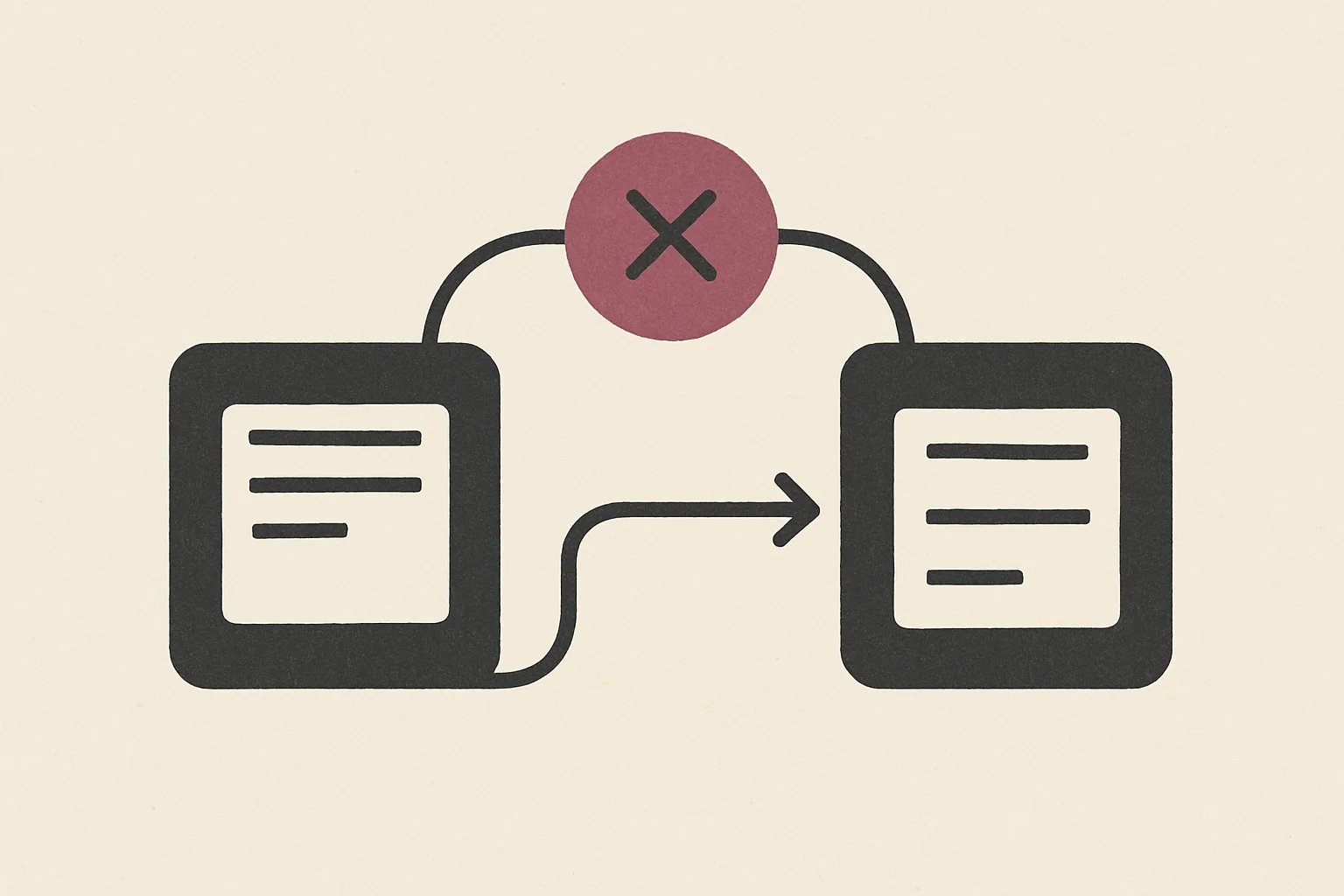
When you spot a pivotal insight, write a brief summary and link it to related items across formats. For example, pair a methodological note in a journal PDF with a commentary in a video transcript and a short paragraph in a news article. Cross type links reveal how ideas travel between media.
Use a single cross reference note for each hit. Include the source, a one line takeaway, and the tags it shares with other items. This creates a living map you can navigate without rereading every piece.
4. How does a tiered reading strategy prioritize depth?
Begin with a quick scan of abstracts, conclusions, and headings to filter out nonessential items. Promote only the sources that speak directly to your core questions, or to a pattern already visible in your synthesis matrix. Mark these for in depth reading to keep you focused.
Mix short targeted sessions with longer deep dives. Time box each block to 25 to 45 minutes to sustain focus. After each block, record one or two takeaways and frame questions to guide your next pass.
- Block 1: quick triage of new items
- Block 2: deeper read of high priority sources
- Block 3: notes and cross linking to the synthesis matrix
Label sources by reading tier: skim, partial read, full read. Tie each tier to your goals so you maintain a consistent rationale for the level of detail and time spent. This helps you avoid overreading peripheral material while building a solid evidentiary base.
5. What does a dynamic citation-first workflow look like?

Begin with a single, organized repository for all references. Import metadata from your sources and attach PDFs only after a quick relevance check. This keeps your library lean from the start and reduces the open-tab habit that scatters effort.
Use a citation manager to generate a live bibliography in the required format. Centralized citations support a coherent narrative and decrease the risk of missing or duplicating sources later. Zotero's documentation covers the mechanics of importing metadata and attaching files without hoarding them.
Link your notes directly to their sources rather than storing ideas in isolation. Live links let you trace a concept from the original study to your synthesis without rereading the entire document.
Keep notes in a context-preserving format: a short quote, a paraphrase, and a one-liner about how it connects to your question. This builds a navigable network of ideas you can use during writing, not a heap of scattered thoughts.
6. How do you build cross source synthesis bridges?
Link sources around the same question and show how methods, populations, and outcomes relate. Indicate where they align and where they diverge. This builds a map of how the literature speaks to itself rather than a string of isolated summaries.
A synthesis matrix helps you visualize these connections. Pair a qualitative study with a quantitative one to reveal complementary insights or conflicting conclusions. This cross pollination strengthens your argument and clarifies where evidence converges.
- Note methodological parallels and divergences to explain why results may differ.
- Track theoretical propositions across sources to see where a concept is supported or contested.
- Record data trends that appear in multiple studies to confirm robustness or reveal gaps.
For each bridge, state the claim at stake and the source backing or challenging it. Be concrete about the mechanisms or assumptions that drive agreement or dispute. The Cochrane Handbook is the reference text for this kind of structured comparison, and its chapters on synthesis are readable even outside a formal systematic review.
| Bridge | Support | Challenge |
|---|---|---|
| Methodology link | Study A shows a similar direction of effect as Study B | Study C reports a contrasting boundary condition |
| Theory alignment | Theory X explains patterns in Studies D and E | Study F suggests a boundary condition that narrows Theory X |
How do you maintain a living narrative map?
Begin with a provisional storyline that traces how themes shift across early readings. Sketch a simple arc that includes the question, method, finding, and implication. When new sources arrive, adjust the arc to reflect evolving emphasis or fresh angles.

Treat the narrative map as a dynamic document. After each reading pass, add a concise note about how the source changes your understanding of the core question. Reassess links between studies and refresh connections in your synthesis matrix.
- Capture turning points where findings converge or diverge
- Annotate how each source supports or contests key claims
- Maintain a running timeline of a topic’s development within the field
| Element | What to record | Effect on review |
|---|---|---|
| Narrative arc | Provisional storyline and shifting focal points | Guides writing and keeps coherence |
| New insights | Updated connections, emerging themes | Refines arguments and identifies gaps |
FAQ
What is a literature review and why should I organize it early?
A literature review surveys academic literature to identify what is known, what remains uncertain, and where your work can contribute. Organizing early helps you see connections, track citations, and build a coherent narrative as you read rather than after the fact. The goal is to understand the material you chose to read, not to skim it.
Which tools best support a structured synthesis?
Choose tools that centralize citations, notes, and sources. Look for live linking between notes and sources, exportable citation formats, and cross referencing. Popular options include citation managers, note taking apps, and AI assisted research workspaces that support a structured synthesis.
How do I avoid tabs spiraling out of control?
Begin with a core library and a master reference folder. Use a synthesis matrix to map connections, and apply a tag and note system across content types. These practices keep your workspace navigable and your arguments traceable.
What counts as a meaningful synthesis bridge?
A synthesis bridge links themes, methods, and findings across studies. It shows where sources agree, where they diverge, and how they collectively inform your research question.
Can AI tools replace manual reading?
No. AI can aid with keyword filtering, summaries, and organization, but you should verify insights against the actual texts. The aim is deeper understanding, not faster skimming.
How should I handle year range and citations?
Define a year range that aligns with your topic and use filters to narrow results. Centralize citations early so you can link notes to sources as you write, reducing the risk of missing or duplicating references.
- Questions about scope and relevance
- Practical tips for maintaining a living narrative
- Best practices for exporting citations in required formats
Conclusion
A literature review should function as a living system, not a scattered pile of tabs. Build a core library, map connections, and maintain a narrative map to preserve coherence as your collection grows.
Structure with depth. Use a synthesis matrix, cross-source tagging, and a citation-first workflow to keep the thread intact from question to insight.
Core library anchors scope and keeps relevance at the center.
Cross-source synthesis bridges show how studies support or challenge each other.
A living narrative map guides writing and highlights gaps to address next.
Expect iterative refinements rather than a final fixed document. Treat new findings as updates to the map, not disruptions to the core argument. That mindset yields deeper understanding and actionable knowledge, not merely more notes.
References
- Lit review hacks that don't involve a million browser tabs? : r/PhD - Reddit
- Step-by-Step Guide to Organizing Academic Literature - Wonders AI
- 5 Steps to Organize Your Literature Review Like a Pro - LinkedIn
- Literature Review Guide: How do I Stay Organized?
- How do you keep track of papers during a brainstorming literature ...
- Literature Reviews - UNC Writing Center
- PRISMA statement: transparent reporting of reviews
- Cochrane Handbook for Systematic Reviews of Interventions
Also read: Reading comprehension