How to follow an argument in a dense article
Updated · 11 min read
Listen to this post
Contents
- Introduction
- Why dense writing tests our patience
- What it takes to follow an argument clearly
- Frame the core claim you are tracing
- Identify the thesis or main claim
- Note the initial context and scope
- Map the argumentative structure
- List the supporting premises in order
- Detect the moves: claim, evidence, counterclaim
- Spot the evidence that carries weight
- Differentiate data, anecdotes, and authority
- Evaluate the strength and relevance of each piece
- Track the signposts and transitions
- Identify linking phrases that reveal connections
- Understand how each paragraph advances the argument
- Identify assumptions and gaps
- Expose unstated premises
- Note where the author anticipates objections
- Assess the counterarguments and responses
- Look for explicit refutations or concessions
- Judge how well counterpoints are addressed
- Synthesize the argumentative arc
- Connect the conclusion back to the thesis
- Form a concise outline of the overall argument
- Frequently asked questions
- What counts as a strong argument in dense writing?
- How do I identify the main claim in a dense article?
- What should I do when transitions are hard to follow?
- How can I evaluate the quality of the evidence?
- What if I disagree with the argument?
- How do I outline the overall argument without losing nuance?
- Conclusion
- References
TL;DR
- A practical guide to following a dense argument: identify the core claim, map the argumentative structure, and distinguish evidence types (data, anecdotes, authority) while tracking signposts and transitions.
- Frame the thesis early, outline premises in order, and note how each piece of evidence supports or challenges the claim, including how counterarguments are addressed.
- Identify assumptions and gaps, assess how well objections are handled, and synthesize the arc by connecting conclusion back to the thesis, resulting in a concise outline for recall.
- Use the questions at the end to test argument strength, transitions, and evidence, and carry one concrete takeaway into your next reading.
Introduction
Why dense writing tests our patience
Dense passages challenge our ability to stay oriented in a stream of claims, evidence, and counterpoints. The goal is not to rush to a verdict but to retain what matters: the core claim, how it is built, and why it holds up. We read to understand, not merely to skim.
What it takes to follow an argument clearly
The starting point is a precise map of the author’s goal. We track the main idea, note the scope, and identify each move from claim to evidence. A careful reader looks for where assumptions live, what counts as weighty proof, and how signposts guide the journey from premise to conclusion.
Frame the core claim you are tracing

Identify the thesis or main claim
The thesis is the position the rest of the article exists to defend. Look for a sentence or two that takes a stance someone could reasonably dispute, not a universal fact. In many articles it sits near the end of the introduction, or it arrives after a framing story or a review of prior debate. Once you find it, write it down in your own words. If you cannot restate it in one sentence, keep reading the opening until you can, because every later section will be measured against it.
Note the initial context and scope
Next, note what problem the author says they are responding to and how far the claim is meant to reach. Is it about one case, one field, or a general rule? Scope words such as most, often, in this sample, or under these conditions tell you how much the author is promising. Recording them early keeps you from judging the argument against a bigger claim than the one it makes.
Map the argumentative structure
List the supporting premises in order
Start by listing each premise that supports the main claim, arranging them as they appear in the text. This creates a staircase of reasoning you can follow without losing track of how one idea leads to the next. Focus on the sequence rather than the wording alone, noting how each premise narrows the space for interpretation and strengthens the overall position.
- Premise one establishes a foundational assumption the author will test.
- Premise two adds a specific example or case that reinforces the claim.
- Premise three introduces a comparative or contrast that highlights the argument’s direction.
As you map, jot down a short note on each premise in your own words. This creates a compact reference you can consult while reading further sections, preventing drift from the core line of reasoning.
Detect the moves: claim, evidence, counterclaim
Parse each segment into three moves: the claim being advanced, the evidence offered in support, and any counterclaims the author anticipates. This triad reveals whether the argument relies on data, theory, or authority, and whether objections are acknowledged or buried. Keep an eye on how counterclaims are integrated: are they refuted with new data, or conceded with caveats that limit their impact?
Homing in on these moves helps you see the argumentative architecture at a glance. When the sequence feels sturdy, you can test its resilience by asking how changing one premise would affect the chain of reasoning.
Spot the evidence that carries weight
Differentiate data, anecdotes, and authority

Evidence comes in several forms, each with different weight in an argument. Data are verifiable facts or figures drawn from studies, experiments, or records. Anecdotes are concrete, particular experiences that illustrate a point but may not generalize. Authority relies on the credibility of the source, such as expert opinion or established institutions. Ground your reading by labeling each piece you encounter as data, anecdote, or authority to keep the claim anchored to its support.
Evaluate the strength and relevance of each piece
Assess how directly a piece supports the thesis. Direct data that test a specific claim usually carries more weight than peripheral details. Consider sample size, methodology, and limitations when data appear. Weigh anecdotes against the scope of the argument: a single example can illuminate a pattern but should not stand in for broad evidence. Check the authority behind a claim for potential biases or conflicts of interest, and ask whether the source is known for rigorous work in this topic.
- Is the data aligned with the thesis, and are its methods described?
- Does an anecdote illustrate a trend without overstating its reach?
- Is the authoritative voice current and reputable within the field?
Track the signposts and transitions
Identify linking phrases that reveal connections
Signposts guide the reader through the argument. Look for phrases that show how ideas relate, such as therefore, however, in addition, on the other hand, or the result of. Note shifts in stance, comparisons, or causal links. Label each signpost as a connector, a contrast, or a sequence cue to build a quick internal outline. This helps you stay oriented as the argument moves from one point to the next.
Understand how each paragraph advances the argument
Treat each paragraph as a step toward the thesis. Identify the function of the opening sentence, the evidence that follows, and the closing line that ties back to the main claim. If a paragraph ends with a restatement or transitional phrase, anticipate what comes next and prepare for the next move in the argument. This keeps your reading rhythm steady and focused on the core path of reasoning.
- Mark the primary purpose of each signpost you encounter.
- Track the progression from claim to evidence to implication.
- Note where transitions anticipate objections or pivot to a new angle.
Identify assumptions and gaps
Expose unstated premises
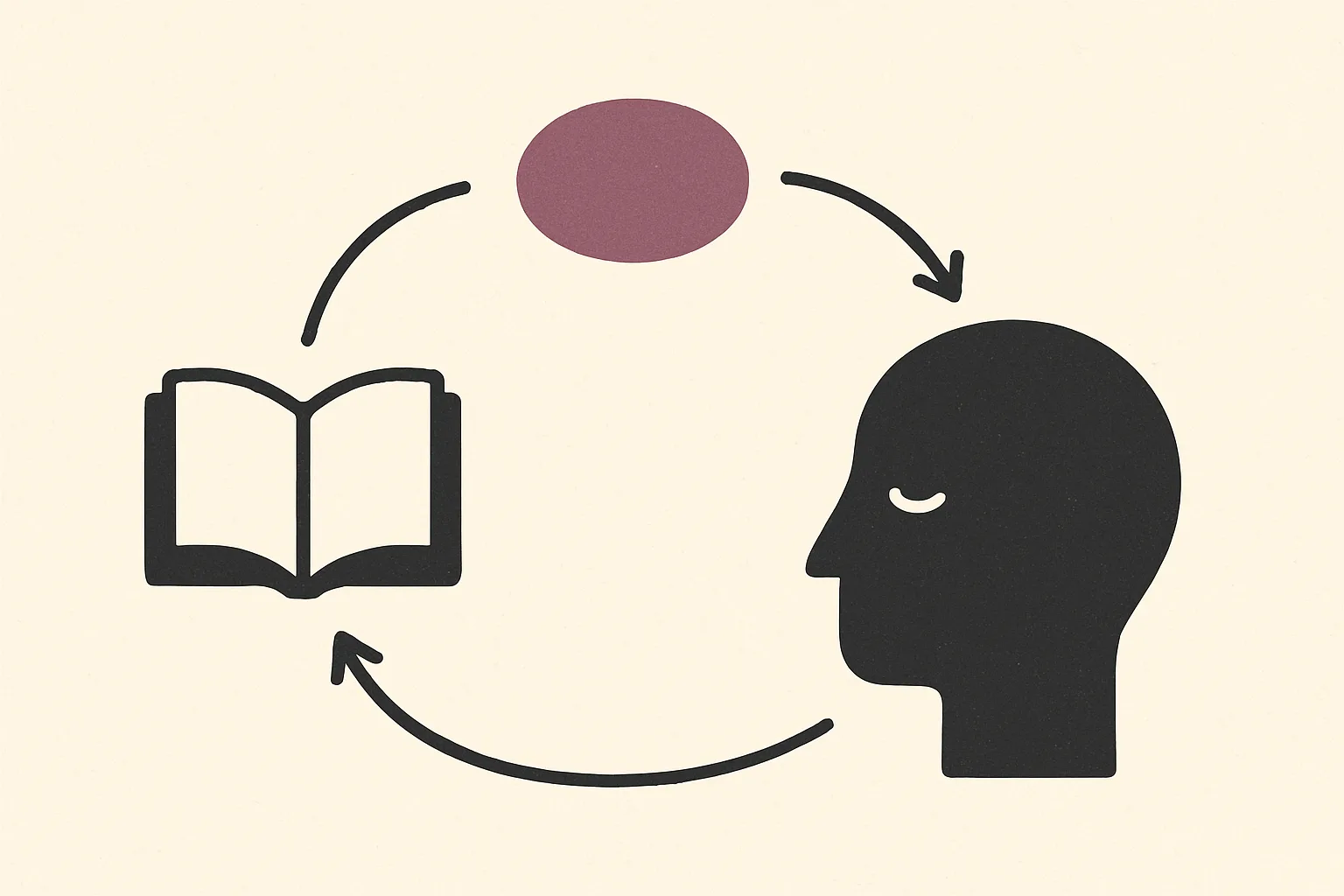
Dense writing often rests on hidden assumptions that frame every claim. Identify what the author takes as given without explicit support. Ask whether a premise would hold under a different context or with alternative data. This helps you see where the argument depends on a point that might not be universally true.
To practice, pause at a pivotal transition and query the underlying assumptions that would be necessary for the next step to be valid. If those premises feel speculative, note them as potential vulnerabilities in the argument.
Note where the author anticipates objections
Good writers forecast counterpoints to strengthen their position. Look for signals that the author acknowledges possible pushback or alternative readings. These moments reveal how tightly the central claim is bound to the presented evidence and whether responses rest on sound reasoning or selective framing.
When you spot anticipated objections, map the proposed replies and judge their robustness. If a rebuttal relies on a weaker premise, flag that as a weak link. This outward scan keeps your reading honest and prepares you for a balanced synthesis later.
Assess the counterarguments and responses
Look for explicit refutations or concessions
When authors face opposition, they either refute the counterargument directly or concede parts of it to sharpen their own stance. Identify phrases that signal a rebuttal, such as a direct denial, a clarification of scope, or a narrowing of the claim in light of counterpoints. Note whether the rejection rests on new evidence, a reinterpretation of existing data, or a change in assumptions. Concessions often appear as acknowledged limits or caveats, which can reveal where the argument is most vulnerable and where the author expects doubts to arise.
Judge how well counterpoints are addressed
Evaluate the thoroughness of the response. A strong treatment will map the counterpoint to specific premises in the main argument, then show how the conclusion remains supported or how the revised claim still holds. Look for sustained reasoning rather than surface level adjustments. Consider whether the counterargument is dismissed, integrated, or reframed, and whether any remaining gaps become new avenues for further inquiry.
- Is the counterpoint tied to a concrete premise or to an abstract fear about the claim?
- Does the author rely on updated evidence, methodological notes, or theoretical shifts to defend the position?
- Are there residual uncertainties that the reader should carry forward without overstating certainty?
Synthesize the argumentative arc
Connect the conclusion back to the thesis
Trace how the final statements loop to the opening claim. Look for restatements of the thesis or a concise recap that ties back to the core idea. The strongest endings show how the evidence and reasoning converge to support the main position, without introducing a new issue.
Note how the conclusion handles implications. If practical consequences are drawn, they should reflect the scope stated at the outset. When the author signals a boundary in the thesis, the closing notes should respect that boundary and avoid overstretching beyond what was established.
Form a concise outline of the overall argument

After identifying the conclusion, create a compact map of the arc. Start with the thesis, then list each major premise in order, followed by the linked evidence and the responses to counterpoints. The result is a one or two sentence backbone you can rehearse to recall the logic without rereading the full text. This outline helps you assess coherence across the whole piece and spot remaining gaps.
Frequently asked questions
What counts as a strong argument in dense writing?
A strong argument presents a clear claim, organizes supporting premises in a logical order, and anchors each step with credible evidence. It shows how the conclusion follows from the initial thesis and addresses possible objections. This requires precise definitions, careful wording, and transparent reasoning so readers can retrace the logic.
How do I identify the main claim in a dense article?
Look for a sentence that states the position the author defends. If you can paraphrase the opening paragraphs in one sentence, you have located the thesis. In many scholarly passages, the main claim appears near the end of the introduction or as a sentence that reframes a larger topic into a specific stance.
What should I do when transitions are hard to follow?
Track how each paragraph connects to the next. Note signaling words that indicate a shift in idea, such as moving from evidence to interpretation or from a claim to its rebuttal. If a passage stalls, sketch a mini map of the argument as you read to keep the logical flow visible.
How can I evaluate the quality of the evidence?
Differentiate data, anecdotes, and authoritative references. Ask whether the evidence directly supports the corresponding premise, whether it is representative, and whether it aligns with the thesis. Consider whether alternative interpretations exist and how the author handles them.
What if I disagree with the argument?
Identify the core premises you question and test whether your alternative view resolves the same questions the author raises. Note where your reading suggests gaps or overextensions, and compare those with how the author addresses counterpoints.
How do I outline the overall argument without losing nuance?
Create a concise outline that starts with the thesis, lists major premises in order, notes the key evidence, and marks responses to counterpoints. This helps you rehearse the logic and spot where the argument remains solid or requires further inquiry.
Conclusion
Following a dense argument is a practical skill, not a ceremonial exercise. By tracing the core claim, mapping the structure, weighing evidence, and watching for signposts and gaps, you preserve intellectual momentum without losing nuance.
As you close, identify a concrete takeaway or question you want to test in your own reading. That concrete next step turns reading into action, aligning your comprehension with your broader knowledge map.
References
Also read: Ask your library · Read later