How to actually finish the research papers you save
August 5, 2026 · 12 min read
Listen to this post
Contents
- Finish what you save without losing momentum
- Organize and audit your existing materials
- Reorganize physical and digital files by theme
- Prepare key data and analysis for writing
- Identify existing written content and pending revisions
- Group writings, data, and readings into themes
- From audit to outline: a practical rhythm
- Keep the process transparent to your readers and yourself
- Introduction
- Overview of the problem
- What Omphalis changes for you
- 1. Set a clear, manageable goal for each paper
- Define the end product
- Assign a realistic deadline and milestones
- 2. Build a targeted reading ritual with signal moments
- Identify noteworthy quotes and ideas during the initial pass
- Tag and map signals to your research questions
- 3. Create a one-page paper plan before writing
- Draft a thesis, core arguments, and structure
- Map sections to evidence from saved content
- 4. Chunk the work into concrete writing tasks
- Outline per section with bullet points
- Allocate time blocks for drafting and revising
- 5. Establish a ‘Progress, Not Perfection’ review rhythm
- Regular check-ins to validate progress
- Fast feedback loops and incremental revisions
- 6. Use cross content connections for coherence
- Link articles, PDFs, podcasts, and videos to arguments
- Use Omphalis maps to surface missing connections
- References
TL;DR
- This guide outlines a practical, step-by-step approach to turning saved research material into a finished paper, emphasizing organization, planning, and disciplined writing workflows.
- Key steps include auditing and reorganizing materials by theme, creating a one-page plan, chunking writing tasks, establishing a progress-based review rhythm, and using cross-content connections for coherence.
- The method uses structured tools (audits, maps, and living documents) to maintain momentum from initial collection to final manuscript, with expert insights reinforcing the philosophy of transparent, evidence-grounded writing.
Finish what you save without losing momentum
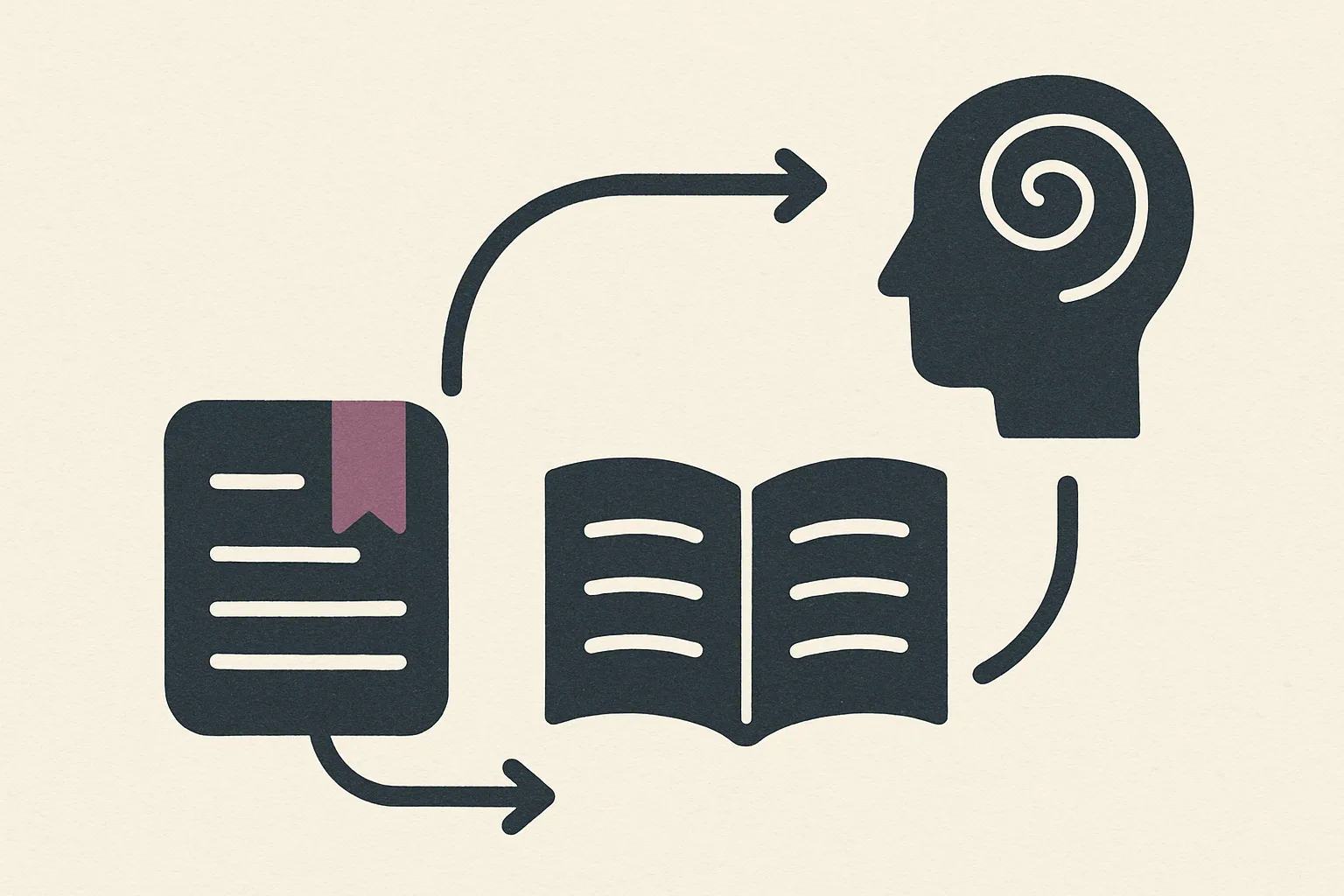
You already know the value of the material you collect. The challenge is turning that pile of readings, notes, and data into a finished paper you can defend. This section lays out a practical, discipline-forward approach that keeps you in control from audit to final polish.
Think of finishing as a sequence: organize, prepare, write, and refine. Each step builds on the last, so you can justify every choice and avoid duplicating work.
Organize and audit your existing materials
Start with a full audit of what you have: writings, data, and readings. This is the essential precondition for finishing a PhD or any research paper. A thorough data reckoning and reorganizing of materials helps you see what matters for the thesis and what does not. When you know exactly what you hold, you can plan precisely what to cite, reuse, or discard. A clean audit increases clarity and speeds up drafting.
When auditing, note where each item came from, its current status, and how it could contribute to the final paper. Create a single reference ledger that links notes, quotations, and data to their sources. This ledger becomes a living desk reference for the entire writing phase.
Reorganize physical and digital files by theme
Physical and digital clutter slows you down. Sort hard copies, folders, and digital files by themes, stages, or primary texts, and label them clearly. A tidy, thematically organized workspace reduces search time and improves workflow during writing. Your goal is a system where any material you need is within a few clicks or steps, not a scavenger hunt.
Label files so you can locate them by the thesis chapter they support. For example, keep a folder for literature that informs the introduction and another for data analyzes that underpin the results. This kind of structure supports a smoother drafting process and easier revisions later on.
Prepare key data and analysis for writing
Compile a consolidated list of all available data, finished analyzes, figures, and tables. An audit document should capture what you have and where it lives, so you avoid duplication or missed data in the final paper. Having this map handy helps you plan what to present, where to place it, and how to reference it in the narrative.
Turn the audit into a living document you revise as you progress. When new data or analyzes emerge, add them to the list and note how they affect the structure of the manuscript. This keeps you from reworking large swaths of text later and supports disciplined progress toward publication planning.
Identify existing written content and pending revisions
Review prior writing for what can be revised or reused. Holding texts and chunks from earlier drafts can accelerate the final write-up. By identifying reusable material, you preserve intent and tone while making sure consistency across sections such as the literature review and the discussions.
Mark passages you plan to adapt, annotate where ideas need updating, and track citations and figures to verify accuracy. This reduces the risk of overlooking important data or misquoting sources during the final drafting phase.
Group writings, data, and readings into themes
Theme-based grouping helps you structure the manuscript in a logical, readable flow. Cluster related writings, data, and literature into coherent themes or chapters. This approach supports a consistent narrative and enables smoother transitions between sections such as the literature review, methods, results, and discussion.
As you group items, map them to the manuscript outline. If a theme appears in multiple places, decide where it belongs in the final structure and keep cross-references updated. This thematic organization is central to a clear and persuasive paper.
From audit to outline: a practical rhythm
Use a simple rhythm to move from audit to outline and then to draft. A practical sequence might be:
- Complete the data reckoning and material inventory.
- Organise files by themes and mark what can be reused.
- Prepare a consolidated data and figure list for the manuscript.
- Draft a structured outline that aligns with your thesis or dissertation goals.
- Begin a first draft focused on justifying and explaining the key data and arguments.
Keeping a disciplined rhythm makes sure you never lose track of essential materials and avoids last-minute scrambling during the writing process.
Keep the process transparent to your readers and yourself
Document decisions in a running log. Note why you kept a source, why you discarded a figure, or why you reorganized a section. This habit clarifies your reasoning and supports future revisions, whether for a thesis, dissertation, or journal submission. When you can explain every decision, you can defend your approach with confidence.
Introduction
Overview of the problem
You already know the value of the material you save. The challenge is turning that pile of readings, notes, and data into a finished paper you can defend. A well referenced manuscript demands more than accumulation; it requires a reliable process to extract and connect ideas across sources. This is especially true for PhD work, where data, analysis, and thesis arguments must align. A common bottleneck is spending energy organizing instead of doing deep work.
When you treat saved material as raw material for writing, you risk losing context, missing connections, and duplicating effort. The result is a draft that feels stitched together rather than integrated. At Omphalis, we turn that saved content into a navigable map that supports understanding, not just storage.
What Omphalis changes for you
Omphalis converts diverse content into a clean, mapped reading experience that preserves noteworthy moments. You can connect ideas across articles, PDFs, podcasts, and videos to form a coherent argument. A structured knowledge map surfaces gaps and shows how evidence supports your thesis.
With Omphalis, you move from simply saving papers to actively integrating them into your writing process. This keeps your research focused, traceable, and ready for the next drafting sprint. Our goal is to help you finish with clarity, not just more notes.
1. Set a clear, manageable goal for each paper
Define the end product
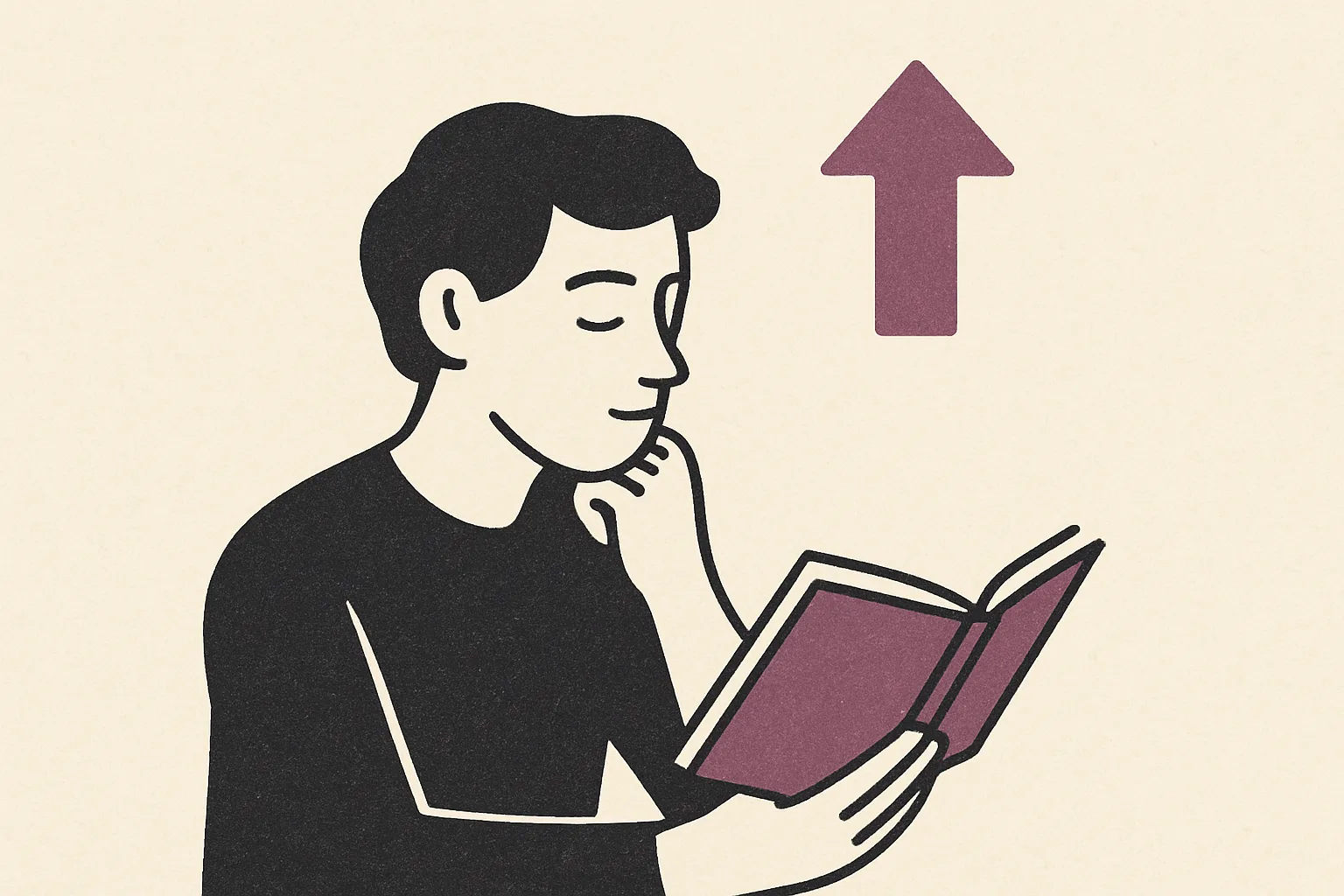
Start with a precise target for every saved paper. Decide whether you are producing a draft, a detailed outline, or an annotated bibliography. This framing shapes how you interact with sources and what counts as completion. Your choice should align with the paper’s stage in the overall project.
Assign a realistic deadline and milestones
Set a firm but achievable deadline, then break it into milestones. Map each milestone to concrete outcomes, such as a complete outline, a first draft of a section, or a compiled reference list. Track progress against these checkpoints to keep momentum and clarity.
- Draft goal to establish structure and voice
- Outline goal to organize argument and evidence
- Annotated bibliography goal to catalog sources and relevance
| End product | Typical milestone | What to deliver |
|---|---|---|
| Draft | Outline complete | First full draft of sections |
| Outline | Core arguments mapped | Section summaries and evidence links |
| Annotated bibliography | Source relevance assessed | Notes tying sources to questions |
2. Build a targeted reading ritual with signal moments
Identify noteworthy quotes and ideas during the initial pass
In your first pass, look for moments that crystallize your core questions. Capture quotations, surprising conclusions, or methodological moves that reveal how authors argue data and interpretation. Recording these signals early helps you avoid retracing large swaths of text later.
Record each signal with a brief descriptor and the source tag. This creates a lightweight catalog you can revisit when drafting arguments or assessing fit with your thesis. Your aim is to surface ideas that anchor your own write up, not to copy adjacent passages.
Tag and map signals to your research questions
Attach small tags to each signal that align with your research questions or thesis elements. Use a consistent tag set so you can query your notes later. This mapping is a living scaffold you will rebuild as your understanding deepens.
Use a simple map showing signals linked to questions, then to potential sections. This keeps your reading aligned with your writing plan and helps you identify gaps where evidence is scarce. The result is a coherent thread from reading to drafting.
3. Create a one-page paper plan before writing
A single, concise plan anchors your drafting session. It clarifies what you are trying to prove and how you will prove it using your saved content. Start with a focused one-page plan that you can reference throughout the writing sprint. This keeps your analysis aligned with your thesis and your sources connected to key claims.
Draft a thesis, core arguments, and structure
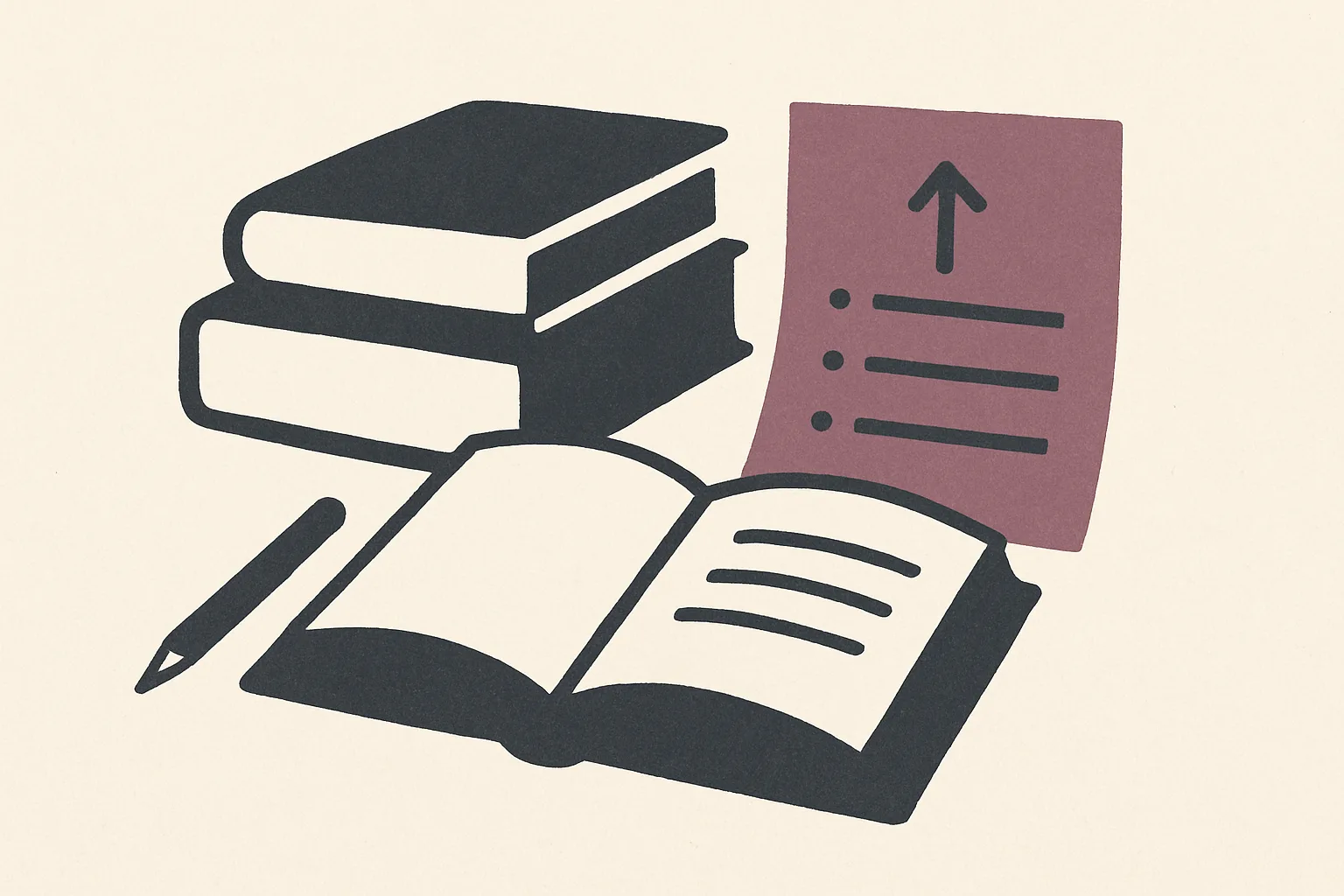
State the thesis in one or two sentences. List 3 to 5 core arguments that support it. For each argument, note the type of evidence you expect from your saved content and the best order to present it. This blueprint guides writing and reduces drift during revisions.
Map sections to evidence from saved content
Create a section map that shows where each piece of saved material will appear. Cite page or note identifiers so you can locate them quickly during drafting. The map should reveal gaps where you need additional sources or deeper analysis.
- Thesis and aim
- Three core arguments with evidence anchors
- Section order and where each source fits
- Identified gaps or questions for later follow up
4. Chunk the work into concrete writing tasks
Outline per section with bullet points
Break each section into its essential claims and the supporting evidence from saved content. Create a minimal outline that lists the point, the data or quotation you will cite, and the expected takeaway for the reader. This keeps your drafting focused and makes revision faster.
- Section goal
- Key claim or question
- Evidence anchor and citation cue
- Transition to the next section
Allocate time blocks for drafting and revising
Schedule short, dedicated blocks for drafting and for revision. Treat each block as a fixed commitment you cannot skip. This cadence builds momentum and reduces drift between reading and writing.
- Draft block: translate outline into paragraphs
- Revision block: tighten argument, verify connections
- Evidence check: confirm each claim has a source link or note
5. Establish a ‘Progress, Not Perfection’ review rhythm
Regular check-ins to validate progress
Set a daily or every other day review window. Use a simple rubric: what was drafted, what evidence was anchored, and what gaps remain. This keeps you honest about momentum without chasing flawless prose.
Treat these checks as calibration rather than critique. Confirm that your writing aligns with the one-page plan and that each section advances the thesis. If a misalignment appears, record it and address it in the next block.
Fast feedback loops and incremental revisions
Build rapid revision cycles into your schedule. After a writing block, note any shifts in argument, evidence placement, or tone. Make small, targeted edits rather than broad rewrites. Tiny improvements compound over time.
Use a lightweight feedback mechanism: jot one concrete change, one potential counterargument, and one missing source cue. This keeps revision focused and improves reliability of your claims.
- Daily progress snapshot
- Three quick revision prompts
- Low friction documentation of gaps
Omphalis maps can surface where your progress stalls, showing you which connections need strengthening to maintain coherence across sections.
6. Use cross content connections for coherence
Link articles, PDFs, podcasts, and videos to arguments
Build your paper from a web of sources that reinforce each claim. Attach at least two forms of evidence from saved materials for each core argument. This layered approach helps readers trace how methodology, analysis, and interpretation support your conclusions.
- Attach primary studies to data driven claims
- Pair theoretical pieces with practical examples
- Reference multimedia notes where they illuminate methods
Use Omphalis maps to surface missing connections
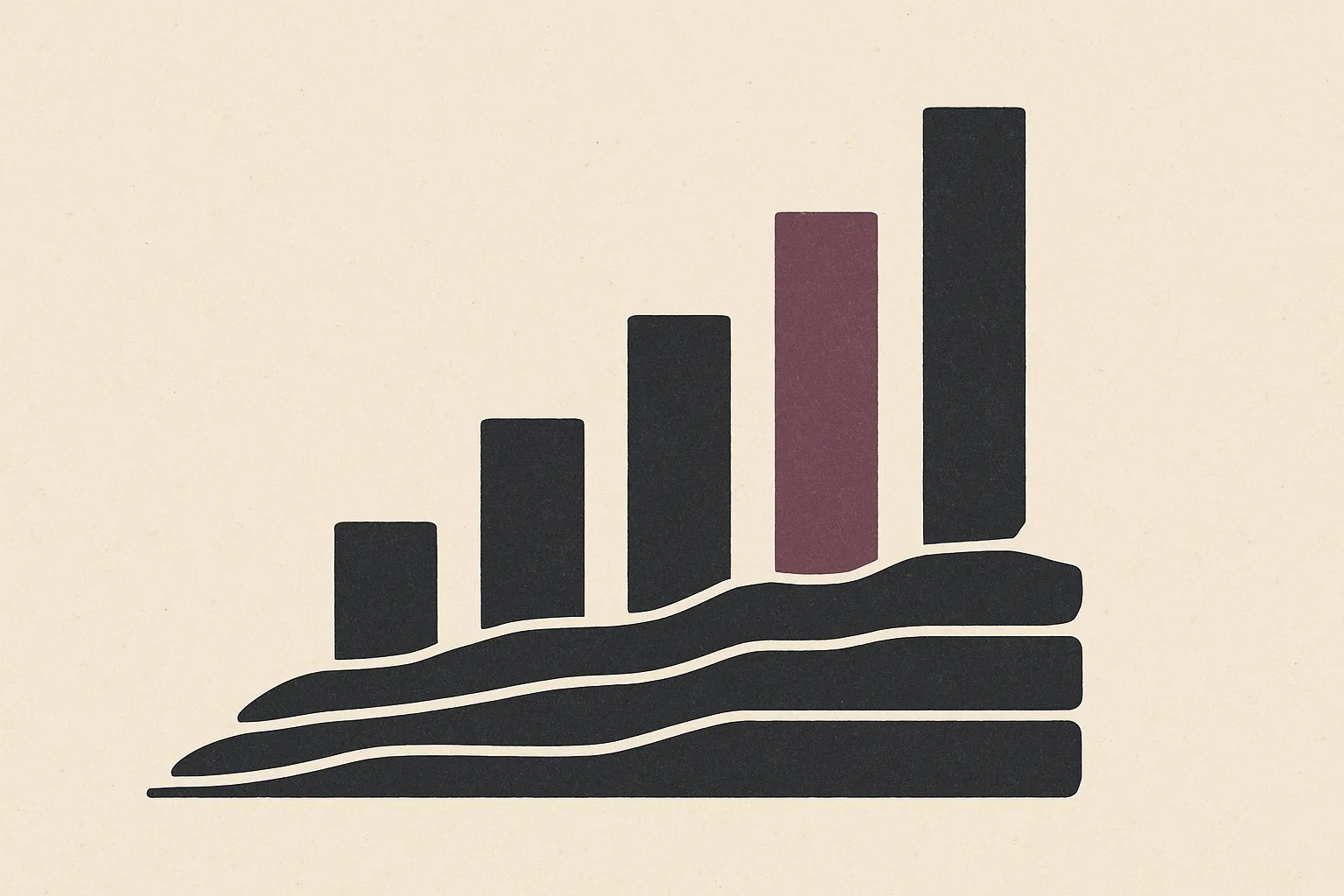
Maps reveal gaps between reading and argument. Identify where evidence is thin or where ideas repeat without adding new insight. Reconfigure connections so every claim has a clear, traceable origin in your saved content.
- Highlight nodes that lack sufficient backing
- Trace each claim to its strongest source
- Reorder sections to improve logical flow
References
- How do you get yourself to finish a paper/project? : r/AskAcademia
- finishing the #PhD – clean-up to get clearer - Pat Thomson
- 5 Steps To Write A Research Paper In A Weekend | EXPLAINED BY ...
- How to write up a whole research paper in a week
- Three tips to save hundreds of hours writing research papers
Also read: Reading comprehension