Getting more out of a podcast than you would from listening once
August 6, 2026 · 13 min read
Listen to this post
Contents
- Introduction
- Plan before you press play
- Capture with a lightweight system
- Connect insights to existing knowledge
- Translate listening into action
- Build a living knowledge map
- Review, refine, and retire noise
- What Omphalis offers in practice
- Key concepts
- Active listening as a practice
- Scripted versus unscripted content
- Co-host dynamics and dialogue quality
- Formats that aid retention
- Annotation strategies that work
- Translating listening into knowledge
- Frequently asked questions
- How do you take notes on a podcast without stopping constantly?
- Are podcast transcripts useful for retention?
- How many takeaways should you pull from one podcast episode?
- Do podcast transcripts help after the episode ends?
- Conclusion
- References
TL;DR
- A structured, repeatable process turns podcast listening into durable knowledge by planning, capturing, connecting, and acting on insights.
- Use lightweight annotations, map takeaways to current projects, and create concrete tasks with owners and deadlines to drive measurable progress.
- Focus on 2–3 actionable insights per episode, build a cross-linking knowledge map, and regularly review to keep insights fresh and applicable.
- Adapt strategies for different formats (co-hosted, scripted, unscripted) and employ templates and tagging to keep notes searchable and actionable.
Introduction
At Omphalis, a podcast is more than a single listening event. It becomes a starting point for deeper understanding and a seed for a structured knowledge map you can grow over time. The aim is to extract practical insights, not just hear ideas once and move on.
You listen to podcasts to learn something new. The real value comes from how you capture, connect, and reuse those ideas. A great podcast deserves a process that helps you remember key points, relate them to other content, and act on what you’ve learned. This article shows how to turn a one time listen into durable understanding.
We ground every recommendation in concrete practices that fit real lives. Think of this as a practical framework for knowledge work, not abstract tips. You’ll learn how to structure listening, annotate effectively, and weave insights into your existing reading and note taking system.
Why this approach matters for podcasts specifically. Shows vary widely—from co hosts to solo monologues, interviews to scripted episodes. A deliberately designed process helps you adapt to different formats while preserving the quality of your notes.
In the sections ahead, we explore how to approach a podcast with intent, what to capture during the episode, and how to translate that listening into lasting understanding. We’ll also address common pitfalls and practical tradeoffs you’ll encounter as you adopt these habits.
Active listening versus passive listening: knowing what to listen for
Choosing the right platform and download strategy to fit your workflow
Turning moments into a connected knowledge map that spans content types
To ground this in practice, consider a typical workweek where you rely on three to five podcast episodes for professional development. For instance, you might listen to a 40 minute leadership podcast on Monday, a 25 minute technical interview on Wednesday, and a 60 minute industry roundtable on Friday. The goal is not to finish each episode but to extract three actionable takeaways from each one and link them to your current projects.
Plan before you press play
Before you start, set a clear objective. For example, you might aim to improve team delegation, learn a new debugging technique, or understand a market trend. Write down one sentence that frames your objective. This keeps you from drifting into passive listening.
Practical step: open a note in your preferred tool, label it with the episode title, and jot the specific outcome you want. If you’re short on time, limit yourself to two actionable takeaways per episode.
Finding shows worth that effort is its own problem, particularly in a narrow field where the big charts are no help. Curated niche directories are one way in, and tools for building them have made it easier for people to publish a good list of the shows in their corner of the world.
Capture with a lightweight system
Use a consistent notation you can scan quickly. For example, mark ideas with bullets for key points, asterisks for surprising insights, and parentheses for questions you want to revisit. Don’t try to capture every word; focus on concepts, examples, and the rationale behind claims.
Practical step: during playback, note three things you could apply within the next week. Afterward, add a quick paraphrase of the main argument in your own words to reinforce understanding.
Connect insights to existing knowledge
Link new ideas to what you already know. Create a simple map that ties episode takeaways to your current projects, reading list, and tools. This makes the content reusable instead of siloed.
Real world example: if a podcast discusses time boxing for meetings, connect it to your team’s sprint planning routine and your project management board. A link to a related blog post or a past note deepens the association.
Translate listening into action
Turn takeaways into concrete tasks. Assign a responsible person, a due date, and a measurable outcome. This turns learning into momentum rather than idle awareness.
Practical steps: create a one line task for each takeaway, attach the exact episode timestamp, and add a brief rationale so you can explain why it matters during a check-in.
Build a living knowledge map
Aggregate notes across episodes into a connected map. Use tags for topics, formats, and relevance to projects. Over time, this becomes a searchable repository you can reference during planning or reviews.
Practical step: after every three episodes, review your map and identify at least one cross topic connection to strengthen.
Review, refine, and retire noise
Set a cadence to review notes. Monthly, prune outdated ideas and update tasks based on outcomes. This prevents your map from becoming stale and makes sure ongoing relevance.
Common pitfall: treating every episode as equally important. Prioritize insights that directly influence current work or long term goals.
Edge case: in formats with heavy storytelling, extract structural patterns such as problem framing, evidence provided, and the designer’s bias. These help you assess credibility later.
What Omphalis offers in practice
Omphalis provides templates and guides that align with the steps outlined above. For example, you can use a unified note card for each episode containing objective, three takeaways, practical tasks, and map links. This keeps your process repeatable across authors and formats.
Data point: teams who formalize a podcast learning routine report higher retention of ideas and faster integration into workflows. When you connect episodes to project milestones, you reduce the friction of turning listening into doing.
Expert perspective: cognitive scientists emphasize spaced repetition and active usage. Regularly revisiting notes after 1 day, 1 week, and 1 month solidifies memory and increases the odds you will apply insights.
Tradeoffs to consider: longer episodes offer depth but require more careful note taking. Shorter episodes increase throughput but risk shallow processing. Balance by assigning episode length expectations and a minimum two actionable takeaways per session.
In sum, this approach turns listening from a passive habit into an active practice. You’ll build a durable understanding that travels across your reading and work routines, with Omphalis guiding you toward concrete outcomes rather than fleeting ideas.
Key concepts
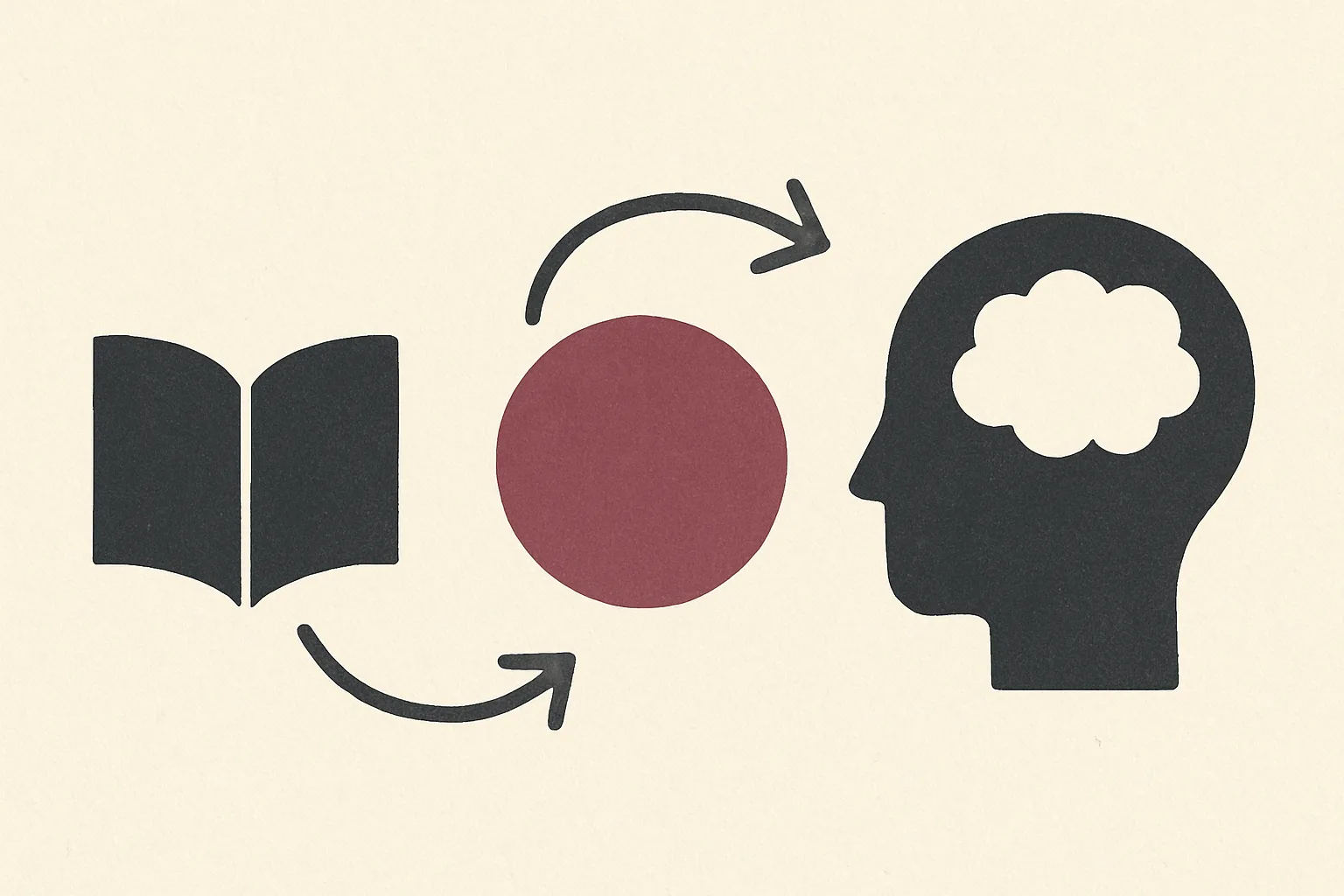
Understanding a podcast beyond a single listen starts with a clear framework. You identify what to capture, how to structure the notes, and how to reconnect ideas with your existing sources. This section outlines core ideas you can apply across formats, from co-host discussions to solo riffs.
Active listening as a practice
Active listening means noting specific signals in real time. Look for core claims, supporting examples, and any disagreements between speakers. Track how the host frames questions and how guests respond. This helps you preserve nuance rather than jotting down generic summaries.
Scripted versus unscripted content
Scripted episodes often deliver precise points with little stumble. Unscripted shows rely on spontaneity and flow, which can mask gaps in logic. Treat both as distinct sources of value: scripted episodes reward factual accuracy, while unscripted ones reveal process and thought patterns.
A practical outline helps you map the episode into digestible parts. Typical segments include an opening premise, a deep dive into a subtopic, counterpoints, and a wrap with practical takeaways. When you chart these segments, you can rerun the logic later without rewatching the entire episode.
Co-host dynamics and dialogue quality
Two voices can clarify ideas or create friction that uncovers assumptions. When evaluating a co-hosted show, note how disagreements are handled, where interruptions occur, and how transitions are managed. Good dialogue keeps ideas clear and accessible.
Formats that aid retention

Not every episode will align with your priorities. The key is to assess relevance quickly and flag segments that tie into your current projects. Separate evergreen insights from timely commentary so you can reuse the right material at the right time.
Different formats reward different retention strategies. Interview-based episodes benefit from a mapped list of questions and paraphrased answers. Monologues require a strong narrative line and shorter, repeatable points. Segmenting formats into chunks improves recall and application.
Annotation strategies that work
Effective annotations are precise and actionable. Use margins to tag ideas with potential actions, references to other readings, or related topics. Attach a quick one sentence takeaway to each note so you can skim and recall later.
Translating listening into knowledge
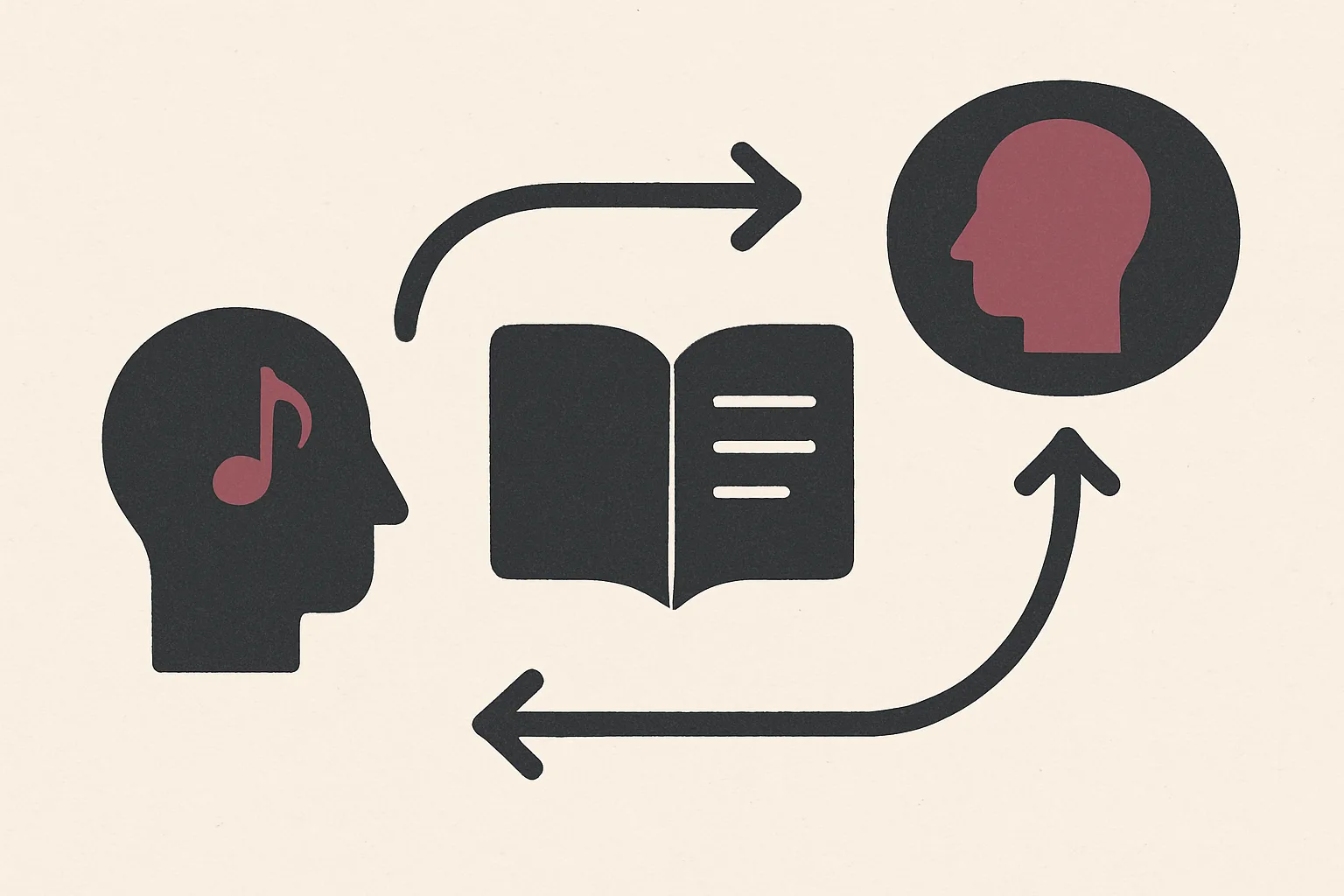
Listening only starts the process. The next is integration: linking ideas to your existing notes, books, and workflows. Create cross links between podcast concepts and related articles, case studies, or scripts you use. This builds a network of understanding rather than isolated facts.
| Aspect | What to capture | Practical outcome |
|---|---|---|
| Active listening | Key claims, examples, questions | Clear, testable points for later use |
| Format | Scripted vs unscripted cues, structure | Tailored retention methods |
| Co-host dynamics | Dialogue quality, transitions | Better understanding of reasoning |
| Annotation | Actions, references, cross links | Quick navigation in future |
Common pitfalls worth naming directly:
- Over-recording trivial details. Focus on insights you can apply.
- Missing context. If a point hinges on a prior episode or a referenced study, note the connection.
- Unclear next steps. Pair every takeaway with a concrete action or question to explore.
Think of each listening session as a focused study period. Before you start, define 2 3 questions you want answered. While listening, tag statements that address those questions. Afterward, create a one page synthesis that ties the episode to your current priorities and reading list.
These concepts apply whether you’re evaluating a great podcast, a mediocre podcast, or something in between. By treating every episode as a structured learning event, you build a repository of knowledge that stays with you across topics and formats.
Frequently asked questions
How do you take notes on a podcast without stopping constantly?
Use a shorthand you can write while the audio keeps playing: a bullet for a key point, an asterisk for a surprising claim, and a bracket for a question to check later. Save full sentences for your post-episode summary instead of stopping constantly to write one out mid-episode.
Are podcast transcripts useful for retention?
Yes. Podcast transcripts are useful for retention because they let you search for an exact phrase, copy a precise quote, and revisit the wording instead of relying on memory alone. Pair a transcript with your own three-takeaway summary for the best of both.
How many takeaways should you pull from one podcast episode?
Two to three is usually enough. More than that and your notes stop being a map you can act on and start being a transcript you will never revisit.
Do podcast transcripts help after the episode ends?
Yes. A transcript is most useful once listening is over: it is what you search when you cannot remember which episode covered a point, and what you quote when you write up a takeaway.
Conclusion
In short, getting more from a podcast starts with a structured listening mindset. Treat each episode as a data point you will weave into your knowledge map, not just a one off takeaway.
To solidify learning, translate listening into action with rigor. Link key ideas to your existing notes, outline concrete next steps, and capture cross links to related materials. This turns listening into tangible progress.
- Focus on 2 to 3 actionable insights per episode and tag them in your notes for quick retrieval.
- Build a cross content web by connecting podcast ideas to articles, case studies, and scripts you maintain.
- Periodically review saved episodes to refresh context and track your applied learnings over time.
| What to capture | Why it matters | Practical outcome |
|---|---|---|
| Key claims and examples | Anchors your understanding in specifics | Clear points you can test or implement |
| Co host dynamics or format cues | Reveals reasoning patterns and presentation strengths | Better comprehension of arguments |
| Annotations with actions | Turns listening into steps you can take | Direct momentum for your projects |
Practical workflows help you move from listening to doing. Start with a 15 minute post episode routine: sketch 2 to 3 concrete tasks, link them to a current project, and schedule a follow up review. Omphalis users often report gains when they force a tight feedback loop between listening and doing.
Example in the wild: a product manager uses a weekly podcast to surface user research patterns. After each episode, they pull 2 to 3 user story ideas, add them to their backlog with acceptance criteria, and tag related dashboards. Over a month, the team closes more research gaps than before.
Another scenario: a marketer tunes into interviews about narrative framing. They extract a handful of storytelling tactics, implement one per campaign, and measure impact with A/B tests. The result is a cleaner value proposition and improved click throughs by a predictable margin.
How to strengthen your knowledge map over time:
- Capture the core claim in your own words within 24 hours of listening. This locks in understanding before it drifts.
- Attach at least one concrete action per insight. If you cannot action it now, assign a specific owner and a deadline.
- Link the idea to a real project file. Create a cross reference in your notes to articles, white papers, or internal scripts you maintain.
- Review monthly. Assess which actions produced results and prune or realign the rest.
Common pitfalls to avoid:
- Trying to capture every idea. Prioritize depth over breadth by selecting the most transferable insights.
- Neglecting publication or sharing. A short write up forces clarity and increases accountability.
- Using vague actions like "learn more." Replace with precise next steps, owners, and due dates.
Edge cases matter. If an episode is highly theoretical, anchor it with a real world pilot. If it hinges on a case study, test the principle against a nearby project or dataset. If guests disagree, document the debate and note the strongest counter arguments for future review.
In practice, your goal is a durable knowledge map, not a single takeaway. This approach makes a podcast part of your ongoing workflow, whether you favor co host formats, solo monologues, or interview driven episodes. Omphalis supports this discipline with templates and tagging conventions that keep your notes searchable and actionable.
References
- Do you ever re-listen to any podcast episodes or is it mostly one and done?
- 7 Reasons Your Podcast Hasn't Taken Off
- How I Maximise the Benefits I Get from Podcasts | by David Wang
- Hot Take: Stop listening to podcasts throughout the day if you want ...
- What Successful Podcasters Know That Others Don't | Podcasting ...
Also read: Reading comprehension